

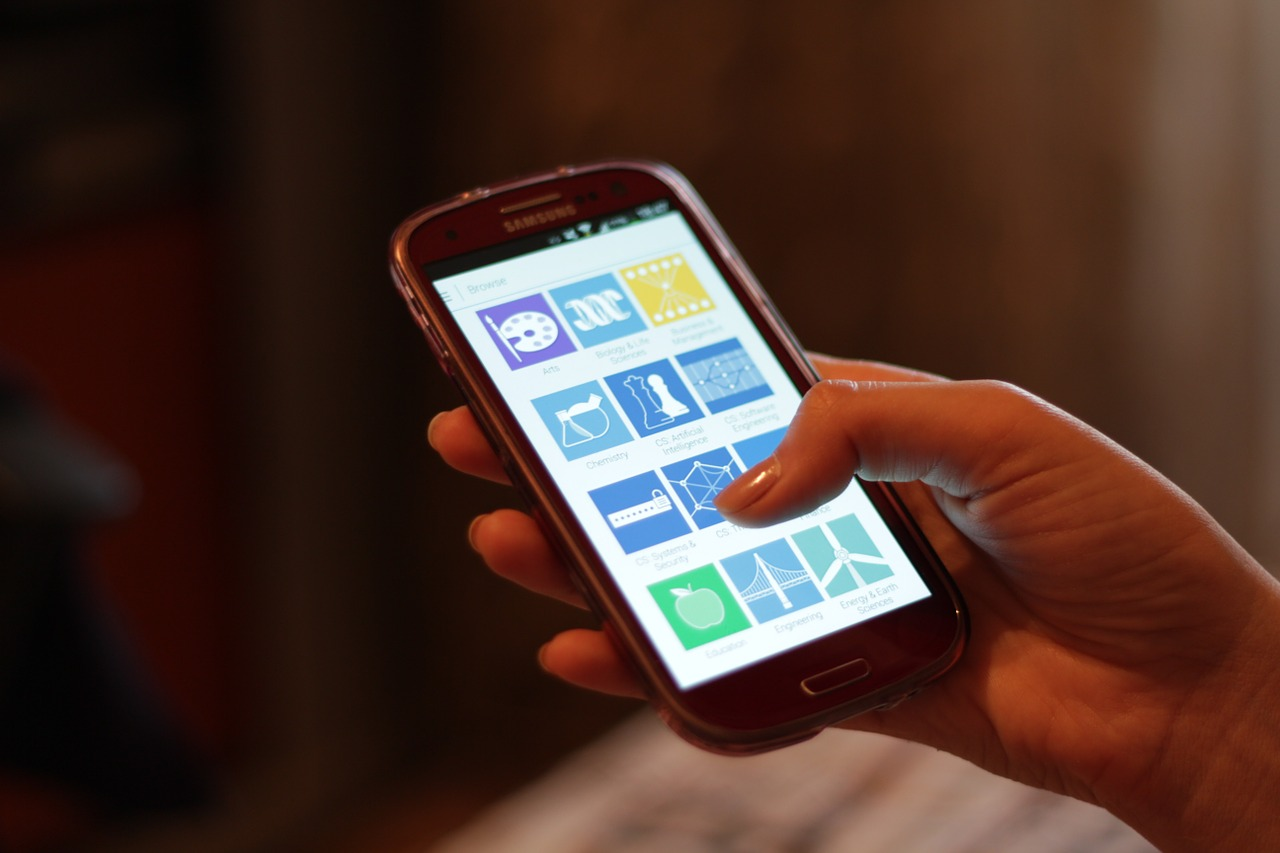

Virginia lawmakers have approved sweeping new legislation that would require public schools across the state to prohibit student cellphone use—and even possession—throughout the entire school day.
The measure, Senate Bill 108 (SB108), mandates that local school boards adopt policies banning phones and other personal smart devices “bell to bell,” meaning from the start of the school day until dismissal. The bill has passed both chambers of the General Assembly with overwhelming bipartisan support and now awaits final action from the governor.
If signed into law, the policy would mark a significant shift in how schools manage student technology—moving beyond classroom restrictions to a full-day prohibition on school grounds.
What the bill requires
Under SB108, every school division in Virginia would be required to implement policies that prohibit students from possessing or using cellphones and similar devices during the school day. The mandate applies across all areas of school property, including classrooms, hallways, and lunch periods.
While the bill sets a clear statewide standard, it leaves enforcement up to local districts. That means school systems like Richmond Public Schools will be responsible for determining how to collect, store, or restrict access to devices—and how to respond to violations.
The legislation includes limited exceptions, such as for medical needs or students with documented accommodations, but otherwise establishes a broad baseline prohibition.
What it could look like in Richmond classrooms
For students, the change could be immediate and visible.
Districts across the country that have adopted similar policies have relied on a range of approaches: requiring students to store phones in lockers, placing devices in locked pouches during the day, or enforcing strict “off and away” rules with escalating consequences for violations.

Because SB108 prohibits not just use but possession, schools may need to adopt more structured systems to ensure compliance—especially in high schools, where phone access has become routine throughout the day.
For Richmond Public Schools, the policy would likely require updates to the student code of conduct, staff training, and potentially new investments in storage or security systems.

Why lawmakers are backing the ban
Supporters of the bill argue that limiting phone access is essential to improving student focus and reducing classroom disruptions. Educators in districts with existing bans have reported gains in student engagement, along with fewer incidents of cyberbullying during school hours.
The proposal also reflects a broader national trend. States including Florida and others have moved to restrict or eliminate cellphone use during the school day, citing concerns about academic performance, mental health, and screen time.
Concerns from families and educators
At the same time, the policy raises practical and cultural questions for school communities.
Some parents have expressed concern about losing direct communication with their children during the day, particularly in emergencies. Others point to the role smartphones play as learning tools, especially for students who may not have consistent access to other devices outside of school.
There are also questions about enforcement—how consistently policies will be applied, and whether disciplinary measures could disproportionately impact certain student groups.
What happens next
With strong bipartisan backing in both the House and Senate, SB108 faces few remaining hurdles. The governor can sign the bill into law, recommend amendments, or veto it, though the margins of support suggest a veto would be unlikely to stand.
If enacted, school divisions across Virginia would be expected to implement new policies ahead of the next school year, setting the stage for a significant shift in daily student life.
For Richmond, the coming months will likely focus on how the policy is translated from legislation into practice—and how students, families, and educators adapt to a school day without phones.
















Leave a Reply