

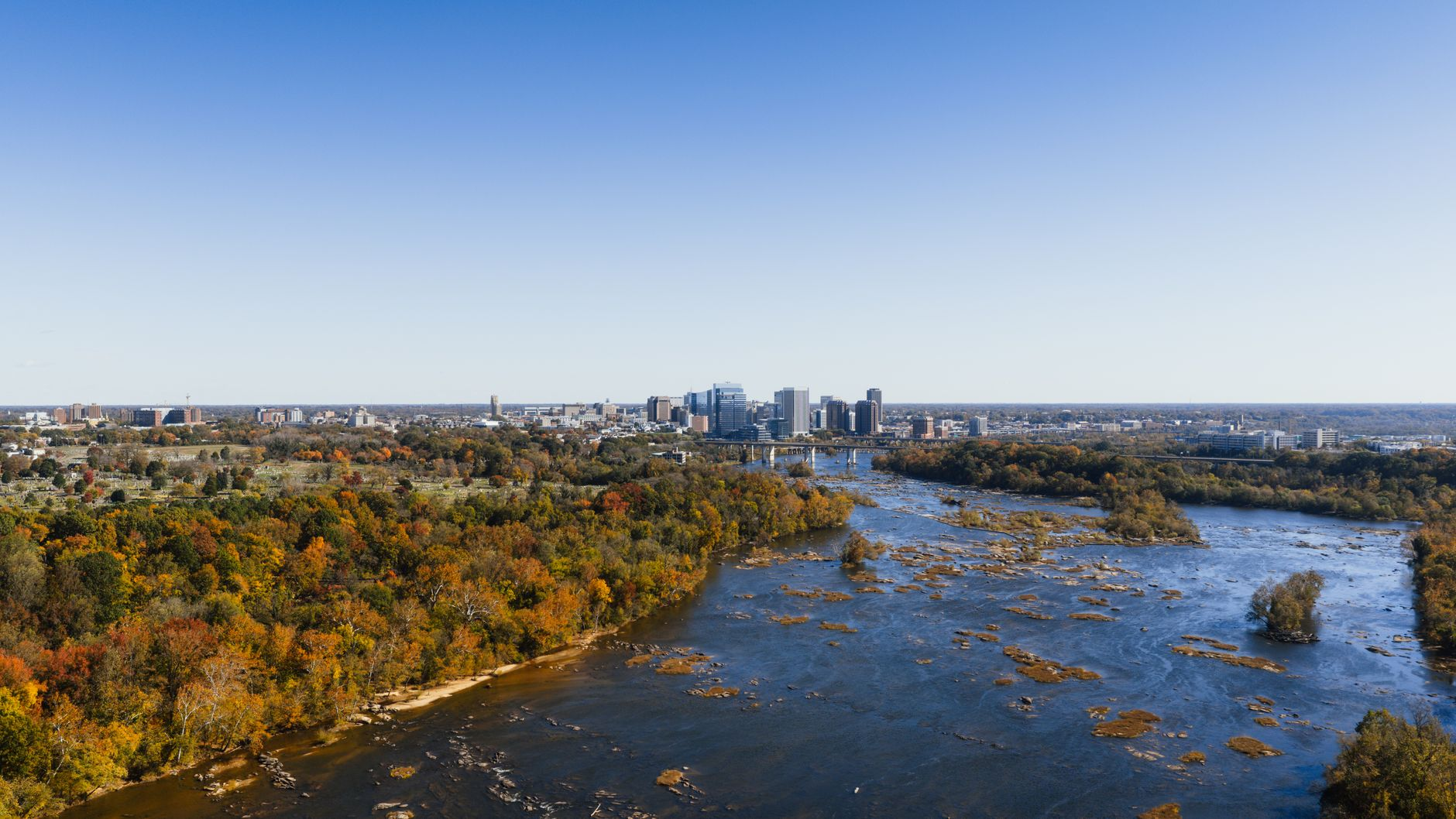
The James River Association is urging Virginia leaders to take immediate action to address what it describes as a growing environmental and public health crisis at the Shoosmith Landfill in Chesterfield County.
In a public statement released June 3, the conservation organization called for state intervention and emergency funding to address deteriorating conditions at the privately owned landfill, which stopped accepting waste in 2022 and entered bankruptcy proceedings in 2025. According to the organization, the site now presents significant risks to nearby waterways, drinking water supplies, and surrounding communities.
“Without immediate action, this situation could escalate into a major environmental disaster with lasting consequences for communities and waterways across the region,” said Jamie Brunkow, Director of Advocacy and River Ecology for the James River Association.
The landfill sits adjacent to Swift Creek, which flows into the Appomattox River and eventually the James River near Hopewell, where drinking water is drawn for thousands of residential, commercial, and industrial customers. The James River Association said contamination from the site could have far-reaching consequences throughout the watershed.
According to the organization, environmental concerns at the site include elevated landfill temperatures, the generation of tens of thousands of gallons of leachate daily, and documented instances of contaminated liquid reaching stormwater channels and nearby waterways. Leachate is the toxic liquid produced when rainwater passes through decomposing waste and can contain a variety of pollutants.
Recent reports indicate that remediation, closure, and long-term post-closure care could cost approximately $173 million over the next three decades, while available financial assurances amount to only a fraction of that total. The funding gap has intensified concerns among environmental advocates and local officials about who will ultimately bear responsibility for cleanup costs.
“We’ve got recreation public use here, we’ve got drinking water use in this part of the river, so it’s really concerning how much leachate is getting into the water,” Brunkow said in a recent interview discussing conditions at the site.
The James River Association is calling on state officials to fund emergency measures, including construction of an on-site leachate treatment facility, while also investigating how conditions at the landfill were allowed to deteriorate.
“Virginia must respond decisively by funding emergency actions to protect public health and prevent a larger environmental crisis from developing at Shoosmith Landfill,” Brunkow said. “State officials must investigate how this situation was allowed to escalate, pursue every avenue to secure the resources needed for cleanup, and ensure that polluters are held accountable.”
The issue has attracted increasing public attention as bankruptcy proceedings continue and questions remain regarding long-term funding and oversight. Environmental advocates warn that delaying action could increase both environmental damage and future remediation costs.














Leave a Reply