Then and Now The Current — May 14, 1607: Jamestown Is Established in Virginia
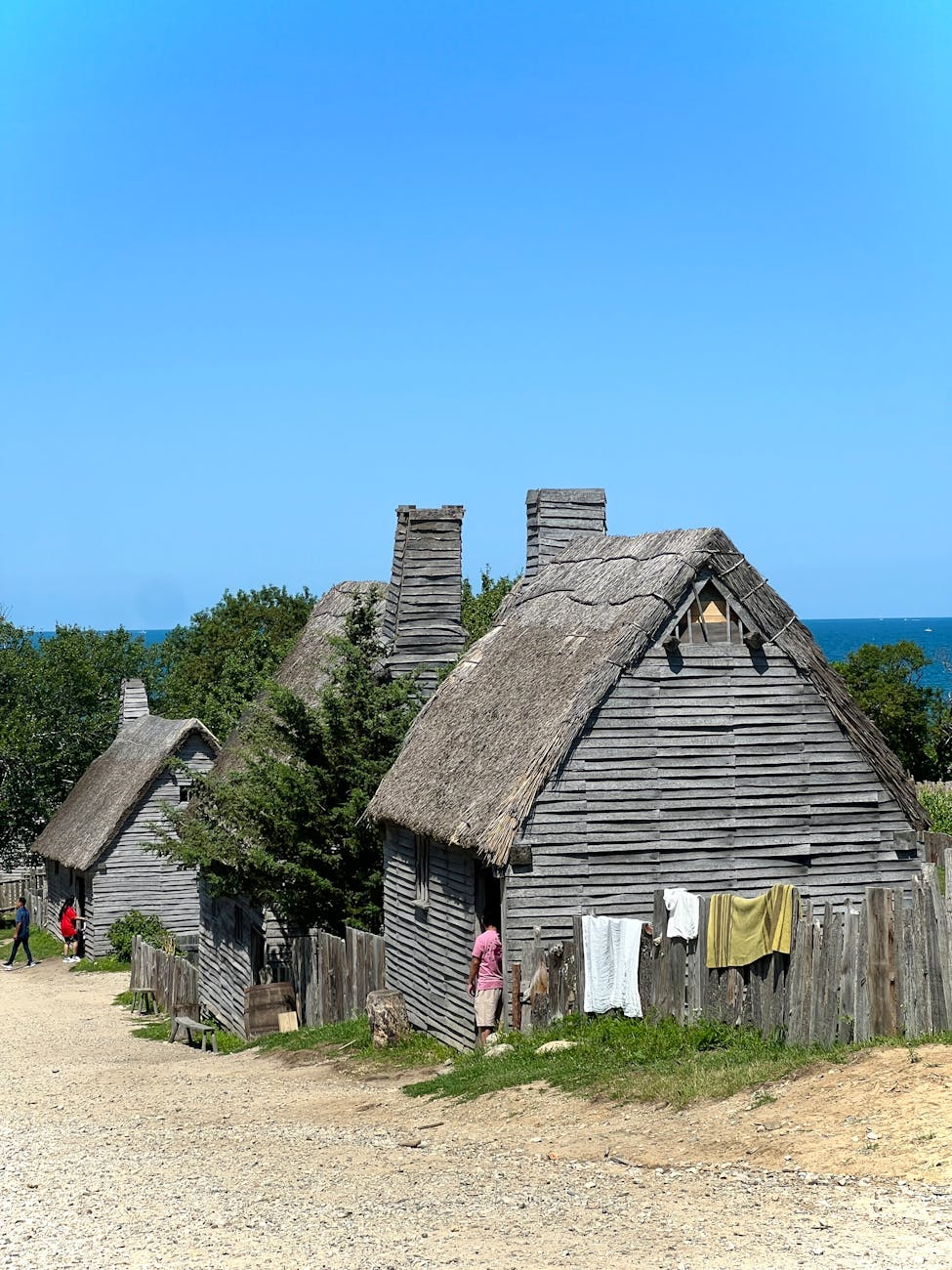
On May 14, 1607, approximately 104 English colonists representing the Virginia Company established Jamestown along the banks of the James River in present day Virginia. After a months long voyage across the Atlantic, the settlers selected the marshy peninsula because they believed it could be defended from Spanish attack. The site became the first permanent English settlement in North America, beginning a new chapter in the history of Virginia and what would eventually become the United States.
Jamestown’s survival during its earliest years was far from guaranteed. Colonists arrived unprepared for Virginia’s environment, lacking reliable food supplies and facing widespread disease from contaminated water and harsh living conditions. Many settlers died during the colony’s first winters, including during the devastating “Starving Time” of 1609 to 1610, when famine reduced the population dramatically. The colony endured largely because of supply missions from England and uneasy trade relationships with the powerful Powhatan Confederacy, whose people had lived in the region for generations before English arrival.
The relationship between English colonists and Indigenous communities quickly became central to Jamestown’s story. Chief Powhatan and the Powhatan Confederacy initially engaged the settlers through trade and diplomacy, though tensions escalated as English expansion intensified. Popular stories surrounding Pocahontas, the daughter of Chief Powhatan, became deeply woven into American mythology, though historians continue to separate legend from documented history. The growth of the settlement increasingly displaced Indigenous communities and laid the foundation for violent conflicts over land, power, and survival throughout colonial Virginia.
Jamestown also became one of the earliest foundations of racialized slavery in English North America. In August 1619, a ship carrying captive Africans arrived in Virginia, marking the beginning of a system of hereditary racial slavery that would shape the economic and political development of the colony and later the nation. Tobacco cultivation rapidly expanded Virginia’s economy while increasing dependence on forced labor, first through indentured servitude and later through enslaved African labor. The systems established in colonial Virginia influenced laws and racial structures that endured for centuries.
The legacy of Jamestown remains deeply complex. It is remembered both as the birthplace of representative government in English America and as an early center of dispossession, colonization, and slavery. Historic Jamestowne and preservation organizations continue to uncover archaeological evidence that reshapes understanding of the colony’s earliest years, including the experiences of women, laborers, Africans, and Indigenous peoples whose stories were often omitted from older historical narratives. More than four centuries later, May 14 remains one of the defining dates in Virginia history.
Tags
Then and Now, Virginia History, Jamestown, Colonial Virginia, Indigenous History, Black History
Excerpt
The establishment of Jamestown on May 14, 1607 launched the first permanent English settlement in North America and transformed the history of Virginia forever.
Author