Then and Now The Current — May 1, 1939: Birth of Max Robinson
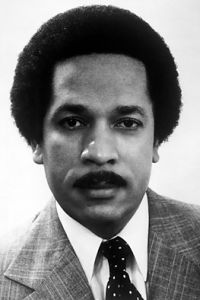
Maxie Cleveland Robinson Jr. was born on May 1, 1939, in Richmond, Virginia, entering a segregated city that would shape both his early life and his lifelong confrontation with racial barriers in media. Growing up in Richmond during Jim Crow, Robinson witnessed firsthand how Black voices were excluded from positions of authority, particularly in journalism. That reality would become the very system he would later challenge.
Robinson began his broadcasting career in the 1950s and 1960s, navigating an industry that often refused to place Black journalists on air. In one early job in Portsmouth, Virginia, he was initially hired to read the news but was hidden from the camera because station management did not want viewers to see that he was Black. Robinson refused to accept that condition, eventually forcing stations to confront their own discriminatory practices. His persistence helped push Southern television toward integration.
His national breakthrough came in 1978 when he joined ABC News as a co-anchor of World News Tonight alongside Frank Reynolds and Peter Jennings. With that appointment, Robinson became the first Black anchor of a nightly network news broadcast in the United States. His presence was not symbolic alone. He brought a direct, often unflinching voice to coverage of race, politics, and inequality, sometimes openly challenging the framing of stories within the newsroom itself.
Robinson’s tenure at ABC was both groundbreaking and complex. He occasionally clashed with network leadership over editorial decisions, particularly regarding coverage of African American communities. Yet his visibility transformed public perception of who could deliver the news. For viewers in Richmond and across the country, Robinson represented a fundamental shift in American media authority.
He died in 1988, but his legacy endures in every generation of Black journalists who followed. From local newsrooms in Virginia to national networks, the path Robinson carved remains foundational. His story is not only about personal achievement but about forcing an institution to change.
Author