Then and Now The Current — May 3, 1933: James Brown Is Born
On May 3, 1933, James Brown was born in Barnwell, entering a world defined by poverty, segregation, and limited opportunity for Black Americans. Raised primarily in nearby Augusta, Brown’s early life was marked by hardship. He worked odd jobs as a child and spent time in a juvenile detention center, where he discovered gospel music and began shaping the vocal intensity that would later define his sound.
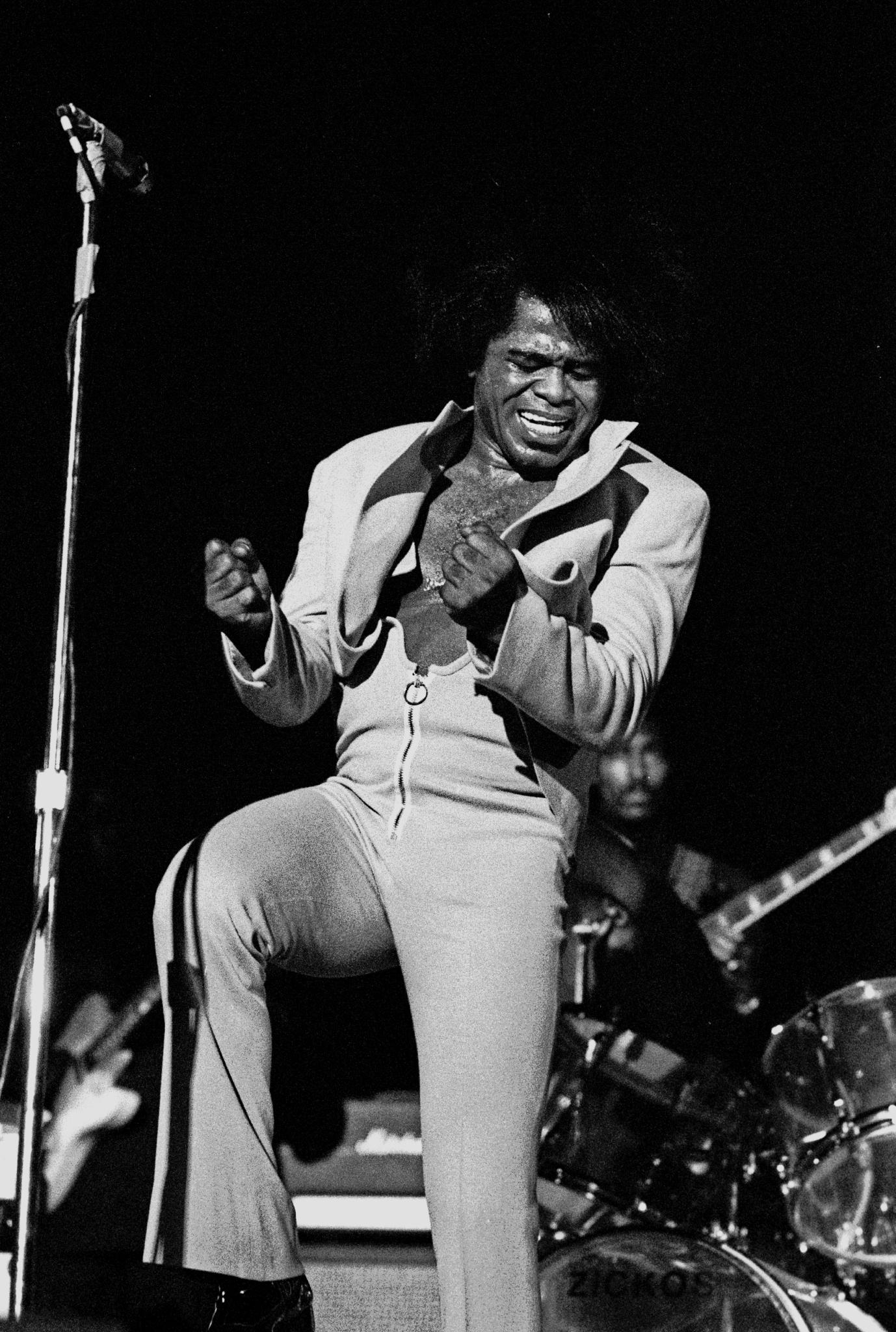
Brown’s rise to fame began in the 1950s with the Famous Flames, but it was his relentless work ethic and electrifying stage presence that set him apart. His breakthrough came with live performances, particularly the legendary 1962 recording Live at the Apollo, which captured the raw energy of his shows and helped redefine what a live album could achieve. Songs like “Please, Please, Please” and “Try Me” established him as a force in rhythm and blues, but Brown did not stop at success—he reinvented the sound of popular music.
By the mid-1960s, Brown had pioneered funk, stripping rhythm down to its core and emphasizing the “one”—the first beat of every measure. Tracks like “Papa’s Got a Brand New Bag” and “Cold Sweat” shifted the focus from melody to groove, influencing generations of artists across genres. His music became foundational to funk, soul, and later hip-hop, where his drum breaks remain among the most sampled in history.
Brown’s influence extended far beyond music into the cultural and political landscape of Black America. In 1968, amid the turmoil following the assassination of Martin Luther King Jr., Brown released “Say It Loud – I’m Black and I’m Proud.” The song became an anthem of the Black Power movement, reinforcing pride and identity at a moment of national crisis. That same year, his televised concert in Boston is widely credited with helping to calm tensions and prevent unrest in the city.
At the same time, Brown’s relationship with politics was complex. He publicly supported Black economic empowerment and education initiatives, yet also maintained connections with political leaders across the spectrum, including controversial support for Richard Nixon. His life reflected the tensions of a Black celebrity navigating influence, responsibility, and survival in a divided America.
Despite his achievements, Brown’s later years were marked by legal troubles, financial disputes, and personal struggles. Yet even these challenges did not erase his impact. By the time of his death in 2006, Brown had earned the title “Godfather of Soul,” a recognition of both his musical innovation and his cultural authority.
Today, James Brown’s legacy is embedded in the DNA of modern music. From hip-hop producers sampling his rhythms to performers channeling his stagecraft, his influence remains immediate and global. More than an entertainer, Brown was an architect of sound and identity—his May 3 birth marking the beginning of a career that reshaped American culture itself.
Author