
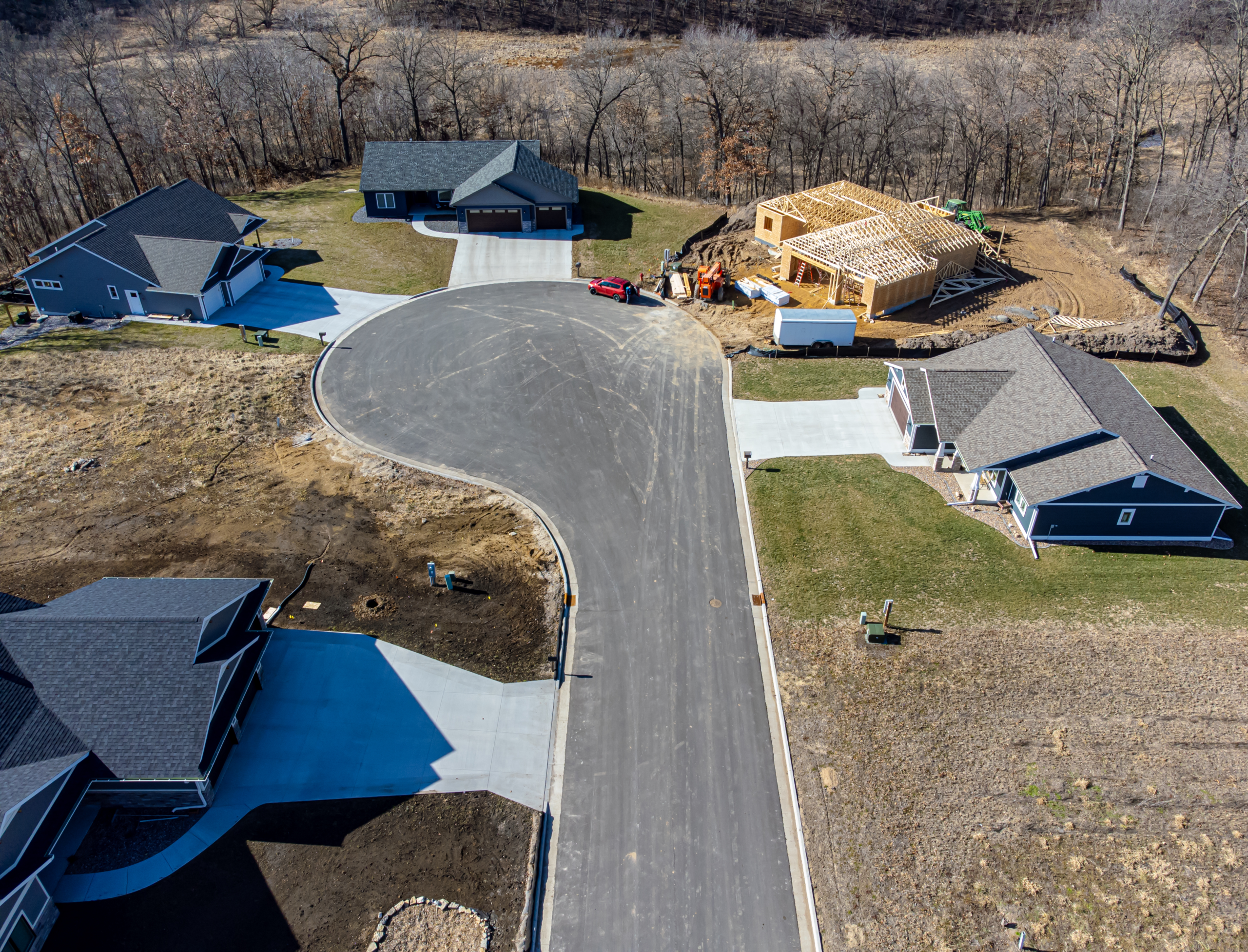
From City Blocks to Cul-de-Sacs: The Quiet Shift in Black Suburban Richmond
Richmond’s Quiet Exodus: Black Residents Reshape Regional Demographics
A significant demographic shift is steadily reshaping the Richmond metropolitan area as a growing number of Black residents are relocating from the city to its surrounding suburban counties. This migration, driven by economic considerations, educational aspirations, and a search for improved quality of life, marks a profound evolution in the region’s social and economic landscape.
For generations, Richmond city served as a pivotal center for Black life, particularly in the post-Civil War era. Historic neighborhoods like Jackson Ward, once celebrated as a “Black Wall Street,” thrived as epicenters of commerce, culture, and community resilience. This legacy has long been integral to the city’s identity and the collective memory of its Black residents.
However, recent decades have seen a re-evaluation of urban living for many Black families. Data from the U.S. Census Bureau illustrates this trend. Between 2010 and 2020, the Black population in the City of Richmond increased by approximately 1.5% (from 119,715 to 121,424). In stark contrast, Chesterfield County experienced a robust 23.5% increase in its Black population (from 67,422 to 83,275), and Henrico County saw a 16.7% rise (from 98,397 to 114,846). These figures underscore a clear pattern of outward migration from the urban core to the surrounding suburban jurisdictions.

Economic and Educational Drivers
The primary catalysts for this suburban shift are often economic. Rising property values and increasing tax burdens within the city limits have made homeownership an increasingly challenging prospect. According to the Richmond Association of Realtors (RAR), median home prices in the Richmond Metropolitan Statistical Area (MSA) have seen substantial increases, with city prices often reflecting a competitive market. For instance, RAR’s market reports frequently highlight price appreciation that can make suburban options more financially accessible for first-time homebuyers or those seeking more space.
Beyond housing, families frequently cite educational opportunities and perceived safety as key motivators. Suburban school districts in Chesterfield and Henrico counties, for instance, are often viewed as offering greater resources and more favorable learning environments. The Virginia Department of Education (VDOE) provides detailed School Quality Profiles for every public school in the Commonwealth, allowing comparisons of academic performance, student demographics, and resource allocation, which can influence family decisions. The pursuit of lower crime rates and a more tranquil environment also plays a role in the calculus for many households.
Suburban Integration and Community Re-formation
While the suburbs offer larger homes, green spaces, and often newer infrastructure, the transition is not without its complexities. The dense, historically rich social fabric of Richmond’s city neighborhoods, often built around long-standing institutions like churches and Black-owned businesses, can be harder to replicate in the more sprawling suburban landscape. New residents often find themselves actively seeking out and building new connections within their new communities.
This demographic redistribution also carries significant implications for both Richmond city and its neighboring counties. For the city, a continued exodus of residents can strain the tax base, potentially impacting funding for city services and the vitality of historically Black commercial corridors. For the counties, the influx of diverse residents creates a demand for new cultural amenities, services, and Black-owned enterprises, fostering the emergence of new community epicenters.
As the Richmond metropolitan region continues its evolution, urban planners and community leaders across jurisdictions face the imperative of fostering inclusive growth. The City of Richmond must develop strategies to retain its current residents and attract new ones, while suburban counties must adapt to their changing demographics, ensuring equitable access to resources and promoting cultural integration for their increasingly diverse populations.
This quiet, yet profound, shift from city blocks to cul-de-sacs represents more than just a change of address. It is a testament to the enduring pursuit of opportunity, security, and a better future, fundamentally redefining the concept of Black community and belonging in the Richmond region.
Author