

Juneteenth: A Dual Impact – Enhanced Awareness and the Shadow of Dilution
Juneteenth, America’s newest federal holiday, stands at a pivotal crossroads. Its elevation to national recognition has undeniably broadened public awareness of a crucial historical moment, bringing the delayed emancipation of enslaved Texans into the national spotlight. Yet, this newfound prominence carries a delicate tension: the risk of cultural dilution through commercialization, potentially undermining the profound significance and authentic spirit of the celebration. This article investigates the dual impact of Juneteenth becoming a federal holiday, enhancing awareness while risking its cultural dilution, and explores how we can safeguard its true legacy.
The Deep Roots of Freedom: Juneteenth’s Historical Background
At its heart, Juneteenth commemorates June 19, 1865, a date etched into American history. On this day, Union troops, led by Maj. Gen. Gordon Granger, arrived in Galveston, Texas, to announce that over 250,000 enslaved people were finally free. This pivotal moment, detailed by the National Museum of African American History and Culture, marked the true end of chattel slavery in the United States for those in Texas—more than two and a half years after President Abraham Lincoln issued the Emancipation Proclamation.
For generations, the observance of Juneteenth remained a cherished tradition within Black communities. Black people in the South have celebrated Juneteenth ever since the first Juneteenth, focusing on remembrance, resilience, and the joy of hard-won freedom. These early gatherings were deeply rooted in communal spirit, often characterized by shared meals, spiritual reflection, and educational events that kept historical memory alive, as documented by the Texas State Historical Association.
A Nation Takes Notice: Juneteenth as a Federal Holiday
The journey of Juneteenth from a regional observance to a federal holiday in June 2021 was a testament to decades of activism, notably by figures like Ms. Opal Lee, whose tireless efforts are honored by the National Archives. This transition brings undeniable benefits. Although we have a lot to be grateful for because it is now a holiday, it’s now recognized by the entire country. This national recognition serves as a crucial key point, ensuring broader awareness and highlighting the profound importance of emancipation in American history.
One of the most immediate impacts has been an increase in public understanding. Now more people are aware of just how long it took for slaves to be released, challenging the simplified narratives of emancipation and acknowledging the full, complex timeline of freedom. Indeed, a Gallup poll noted a significant increase in public knowledge about Juneteenth, showing a sharp decline in the number of Americans who knew nothing about the holiday. This heightened awareness forces a national reckoning with the delayed reality of emancipation and the enduring legacy of slavery.

The Double-Edged Sword: Commercialization and Cultural Dilution
However, national recognition has also ushered in a period of commercial concerns. The very attention that brings awareness also invites opportunistic merchandising. The New York Times has highlighted a noticeable increase in marketing and product development around Juneteenth. This influx of products, often developed without genuine community input, fuels fears of commercialization. Juneteenth has become just another holiday. It’s become commercialized. Examples like Walmart’s controversial Juneteenth-themed ice cream, which was covered widely by NPR, drew widespread criticism for its tone-deafness and blatant profit-seeking.
This commercialization risks the dilution of meaning, where authentic cultural expression can be overshadowed by corporate interests. There’s a palpable concern that it has somewhat been tainted because many of the participants don’t truly understand what it’s all about. When celebrations lose their historical depth and become mere consumer events, the core message of struggle, resilience, and the ongoing fight for justice can be lost.
A Continual Struggle: Ongoing Racial and Political Context
The federal recognition of Juneteenth arrives amidst persistent racial tensions and political issues, underscoring that the fight for true equity is far from over. We still have a major race relation issue in this country. Modern civil rights movements have intensified calls for deeper understanding and action, making Juneteenth’s federal holiday status all the more poignant. Historical tragedies, such as the 1921 Tulsa Race Massacre documented by the Tulsa Historical Society & Museum, remind us that prosperity in Black communities has historically been met with violent opposition, leaving wounds that continue to impact the present.

Despite these challenges, Juneteenth also serves as a powerful reminder of the immense importance of Black contributions to American society. Black Americans, through both forced labor and voluntary innovation, quite literally built this country. These people gave of themselves for the benefit of others, unwillingly, and in turn built this country with their bare hands. Their enduring spirit led to countless inventions, community building, and cultural enrichment, profoundly shaping the nation’s identity and progress.
Preserving the Legacy: Maintaining Authenticity and Awareness
To counteract dilution and ensure Juneteenth’s enduring significance, sustained educational efforts are paramount. We got to fight to continue to tell a story. This involves comprehensive initiatives that delve beyond surface-level celebrations, exploring the complexities of emancipation, the resilience of enslaved people, and the ongoing struggle for civil rights and racial justice.
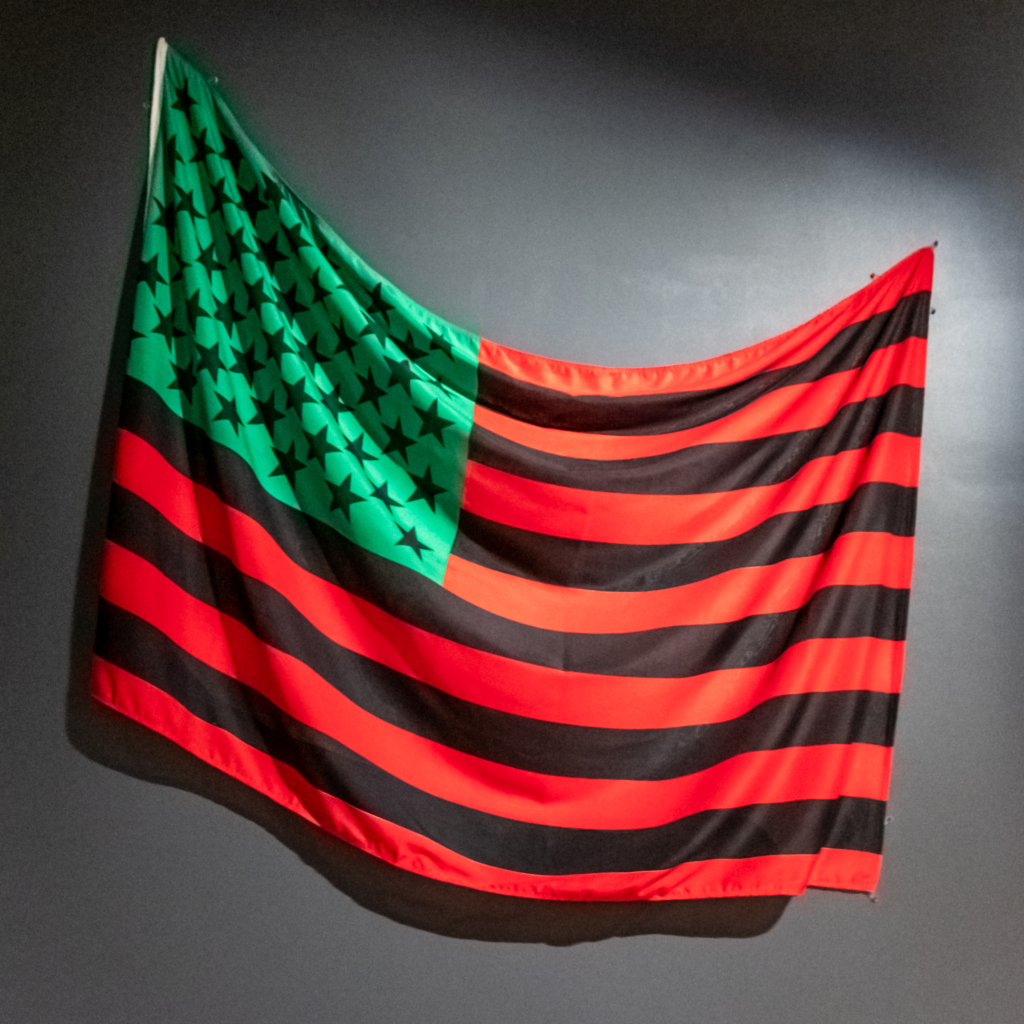
Symbolic representation also plays a crucial role in maintaining authenticity. Visuals like the African American and Juneteenth flags are more than mere decorations; they are powerful symbols of identity, history, and aspiration. The unique design of the Juneteenth flag, as explained by CNN, features a star of Texas, an arch representing a new horizon, and a burst signifying a new beginning. Integrating these symbols thoughtfully and respectfully can deepen understanding and engagement.
A Call to Genuine Celebration and Reflection
Juneteenth’s journey to federal recognition is a significant milestone, offering an unprecedented opportunity for national awareness and reflection. However, it also presents the challenge of preserving its authentic meaning in the face of commercial pressures. The path forward requires a conscious commitment from individuals, communities, and institutions to prioritize education and genuine cultural expression over superficial consumption.
As we move forward, the call to action is clear: encourage genuine celebration and education about Juneteenth, preserving its legacy as a day of profound reflection and ongoing progress. We must fight, continue to fight to not only tell the story so that history does not repeat itself. By embracing the full scope of its history, confronting present challenges, and fostering authentic engagement, we can ensure that Juneteenth remains a powerful, undiluted beacon of freedom, resilience, and the continuous pursuit of justice for all.
Author