When Culture Becomes a Product: Cinco de Mayo in America
Cinco de Mayo began as a Mexican historical commemoration, evolved into a symbol of Mexican-American cultural pride, and eventually became a heavily commercialized American party holiday. Today, the gap between the holiday’s historical meaning and the way it is commonly celebrated in the United States reveals how easily culture can be reduced to marketing.
Cinco de Mayo commemorates the Mexican army’s victory over French forces at the Battle of Puebla on May 5, 1862. Led by General Ignacio Zaragoza, Mexican troops defeated one of the most powerful militaries in the world despite being outnumbered and under-equipped. The victory became a symbol of resistance, sovereignty, and national pride during a period when Mexico faced political instability and foreign intervention.
Yet contrary to popular belief in the United States, Cinco de Mayo is not one of Mexico’s largest national holidays. Outside of the state of Puebla, the day is generally observed in modest ways. Mexico’s true Independence Day is celebrated on September 16, not May 5. In Puebla, however, Cinco de Mayo remains historically and culturally significant through parades, reenactments, and civic ceremonies that honor the battle and its legacy.
The holiday gained a different meaning in the United States during the rise of the Chicano Movement in the 1960s and 1970s. Mexican-Americans embraced Cinco de Mayo as a symbol of cultural pride, resilience, and visibility in a country where Latino communities often faced discrimination and erasure. For many families and activists, the holiday represented heritage, identity, and resistance against assimilation.
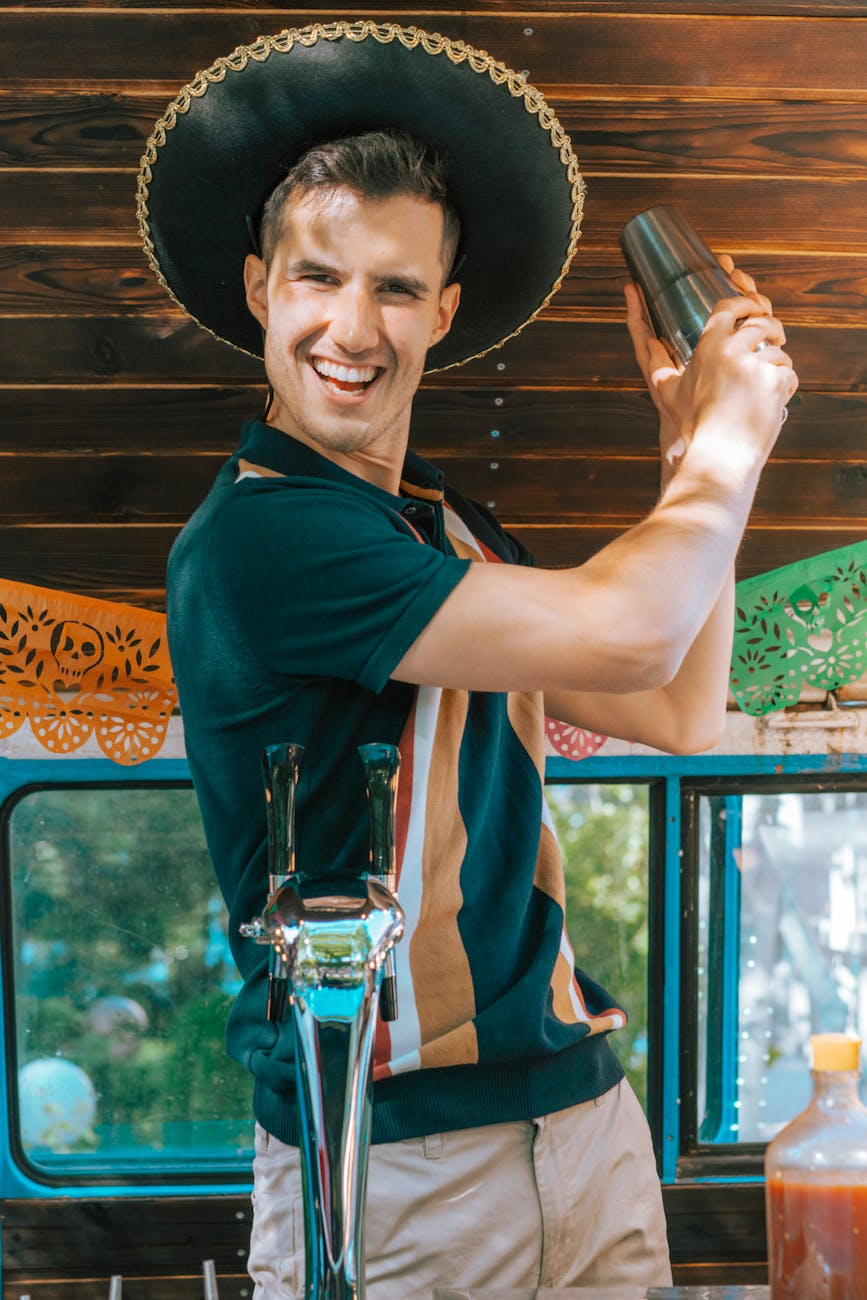
But over time, corporate America stripped much of that meaning away. Alcohol companies, restaurant chains, and advertisers transformed Cinco de Mayo into a profitable marketing opportunity built around tequila promotions, oversized margaritas, and party culture. What was once tied to history and cultural identity became packaged into a shallow commercial spectacle. The result is a version of Cinco de Mayo that often relies on stereotypes while ignoring both Mexican history and the lived experiences of Mexican-American communities.
The commercialization of Cinco de Mayo reflects a larger pattern in American culture: traditions from marginalized communities are frequently embraced only after they can be monetized. Symbols of struggle and identity become products. Historical memory becomes branding. In many cases, people enthusiastically participate in the celebration without understanding what is actually being commemorated.
That does not mean people should avoid celebrating altogether. Cultural exchange can be meaningful when it is rooted in respect and understanding. But Cinco de Mayo deserves more than drink specials and themed decorations. Recognizing the holiday’s history means acknowledging both the Mexican resistance it commemorates and the Mexican-American communities that preserved its significance long before corporations discovered it could sell beer.
Author