VCU Advances Memorial for East Marshall Street Well Victims
Virginia Commonwealth University is moving forward with a long-anticipated memorial to honor dozens of individuals—most of African descent—whose remains were taken from burial grounds, used in medical training, and discarded in a campus well more than a century ago.
The university’s Board of Visitors has approved $3.6 million in funding for what is formally known as the East Marshall Street Well Project. Construction on the memorial and burial site is expected to begin in summer 2027, marking a significant step in a decades-long effort to reckon with one of Richmond’s most troubling historical injustices.
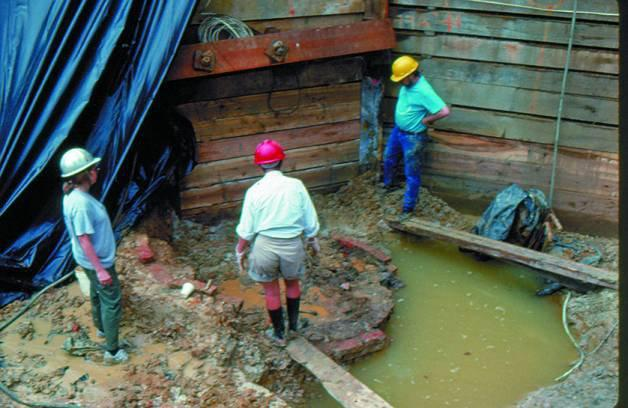
The remains were first uncovered in 1994 during construction of a medical sciences building on VCU’s downtown campus. Workers discovered a brick-lined well filled with human bones and other materials, including hair, skin, and personal artifacts. Subsequent research linked the site to practices tied to the Medical College of Virginia in the mid-19th century, when grave robbing—often targeting African American burial grounds—was used to supply cadavers for anatomical study.
Recent analysis has deepened understanding of those individuals. DNA results released earlier this year identified at least 43 adults and three juveniles of predominantly African heritage, with likely roots in Central-West Africa. Researchers also found evidence of physical labor during life and postmortem dissection, underscoring both the lived conditions and the indignities inflicted after death.
The planned memorial will center on a circular design featuring a “unity chamber,” inspired by Toguna structures of Dogon culture in West Africa. The space is intentionally designed for reflection, with a low سقف encouraging seated conversation and contemplation. University officials say the project aims to restore dignity and provide a permanent site of remembrance.
This effort places VCU within a broader national reckoning. Institutions across the U.S. are confronting histories tied to unethical medical practices and the exploitation of Black bodies in research and education. Similar initiatives—including reburials and memorials—have emerged in recent years as universities respond to public pressure and descendant community advocacy.
For Richmond, the memorial represents both acknowledgment and responsibility. It also raises ongoing questions about how institutions engage with descendant communities, interpret difficult histories, and ensure that remembrance extends beyond symbolism into sustained accountability.
As the project moves toward construction, it will likely become a focal point for dialogue around memory, justice, and the city’s layered relationship with its past.
Author