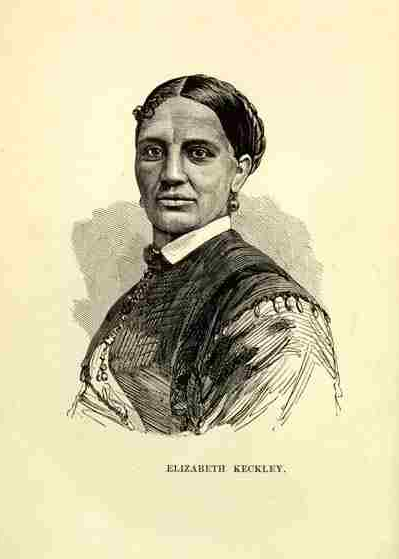
Then & Now: The Current — April 18, 1862: Elizabeth Keckly’s Virginia Story Reaches Print

On April 18, 1862, the Evening Post published “Life in Washington. Stories of the Late Slaves,” an account that included Elizabeth Keckly, the famed dressmaker who had been born enslaved in Dinwiddie County, Virginia. The article arrived in the first spring of wartime emancipation around Washington, when formerly enslaved people were remaking their lives under conditions of uncertainty, scarcity, and scrutiny. Keckly’s presence in that story mattered because she embodied a truth white America often refused to confront: Black women carried extraordinary skill, discipline, and ambition even after decades of exploitation and sexual violence under slavery.
Keckly’s rise is often told as a story of exceptional individual talent, and that is only part of it. Her life also reveals how Virginia slavery fed the capital’s economy and social world, and how Black women had to build freedom while the nation still debated their humanity. Reading that April 18 publication now, the gap between public fascination and actual justice is hard to miss. The nation admired her skill more readily than it faced the system that had brutalized her.
In the years that followed, Elizabeth Keckley moved even deeper into the center of power, becoming the personal dressmaker and confidante to Mary Todd Lincoln inside the White House. That proximity gave her a rare vantage point on the Civil War era, but it did not insulate her from the racial boundaries of the time. Instead, it sharpened them. Keckley navigated elite spaces while still carrying the memory and material consequences of enslavement, using her earnings to support Black communities and formerly enslaved people rebuilding their lives in Washington.
In 1868, she published Behind the Scenes: Or, Thirty Years a Slave, and Four Years in the White House, one of the earliest memoirs by a formerly enslaved Black woman to detail both bondage and the intimate workings of presidential life. The book was controversial, particularly among white audiences who recoiled at the exposure of private grief and political life. But its deeper significance lies in how Keckley claimed authorship over her own story. She refused to remain a background figure in someone else’s history, documenting instead the full arc of a life shaped by violence, skill, strategy, and survival.
Author