

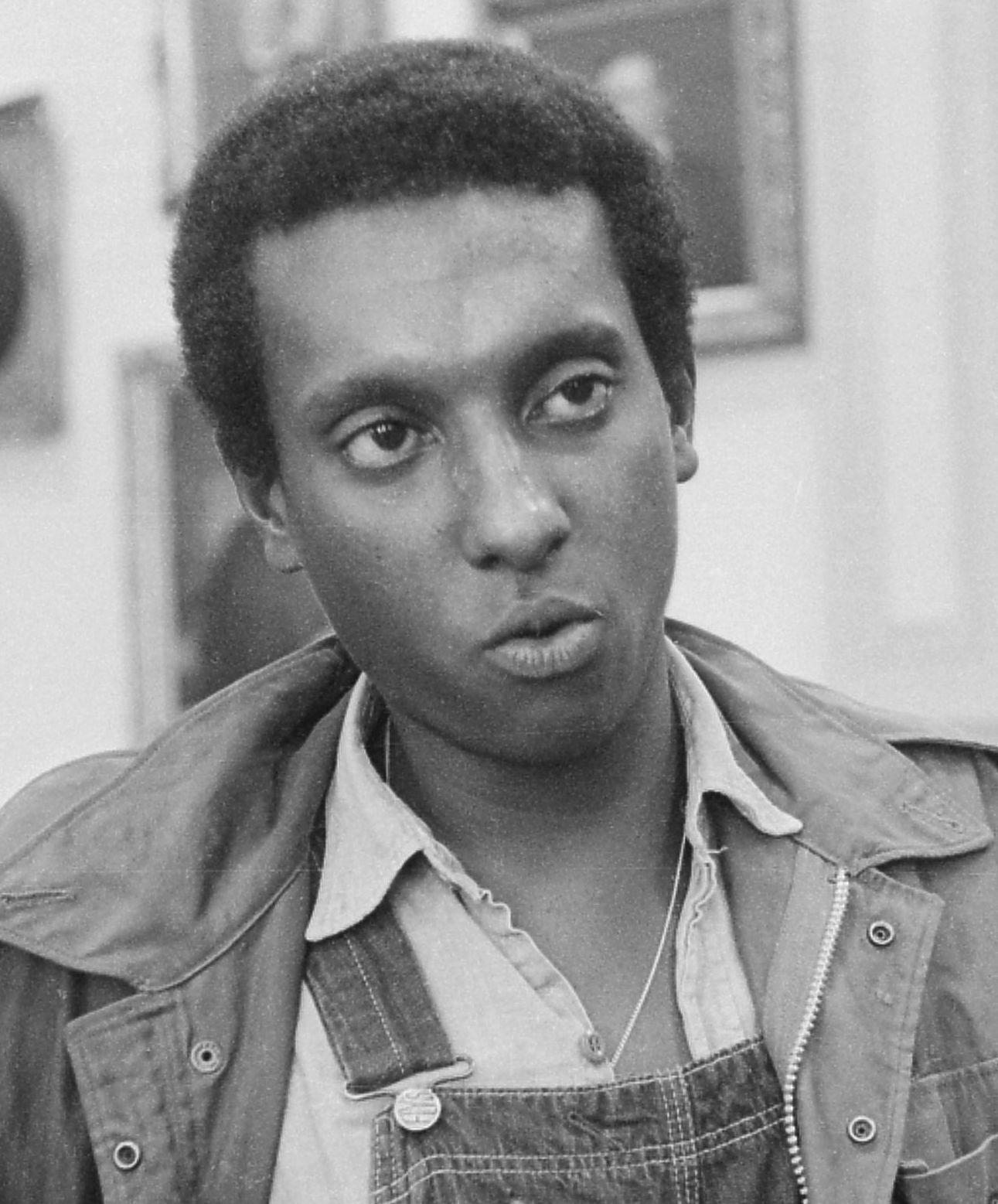

On April 19, 1967, at the height of the Vietnam War, Kwame Ture, then widely known as Stokely Carmichael, stood at the forefront of a coordinated wave of antiwar demonstrations and delivered one of the sharpest condemnations of U.S. involvement in Vietnam. As chairman of the Student Nonviolent Coordinating Committee, Ture helped articulate a position that went beyond opposition to the war itself, framing it as inseparable from the racial and economic injustices shaping Black life in the United States. His speeches that day aligned with a growing shift within SNCC, moving from a strictly domestic civil rights focus toward an international critique of oppression and empire.
Ture’s remarks were deliberately provocative and deeply rooted in the lived experiences of Black Americans. He spoke of the draft as a mechanism that disproportionately pulled young Black men from segregated neighborhoods and sent them to fight in a war that offered them no corresponding freedom at home. In one of his most cited lines from that period, he described the conflict as “white men sending Black men to fight yellow men,” distilling a global system of racial hierarchy into stark, unforgettable language. SNCC statements released alongside his speeches reinforced this position, explicitly connecting the Vietnamese struggle against U.S. military power to Black struggles against white supremacy in places like Virginia. This framing marked a decisive break from more moderate civil rights leadership and intensified tensions within the broader movement, particularly as it echoed the antiwar stance of Martin Luther King Jr. while pushing even further into revolutionary critique.
Today, the legacy of April 19, 1967 resonates across Virginia, where military service and civil rights history remain deeply intertwined. From Richmond to Hampton Roads, Black communities have long navigated the contradiction Ture identified, serving a nation that has not always extended full citizenship in return. His words continue to inform how activists and historians interpret the global dimensions of racial justice, linking local struggles to international movements. By the time he formally adopted the name Kwame Ture in 1969, he had already begun shaping a political vision grounded in Pan-Africanism and solidarity across borders, but the urgency and clarity of his 1967 antiwar message remain a defining moment in that evolution.







Leave a Reply