

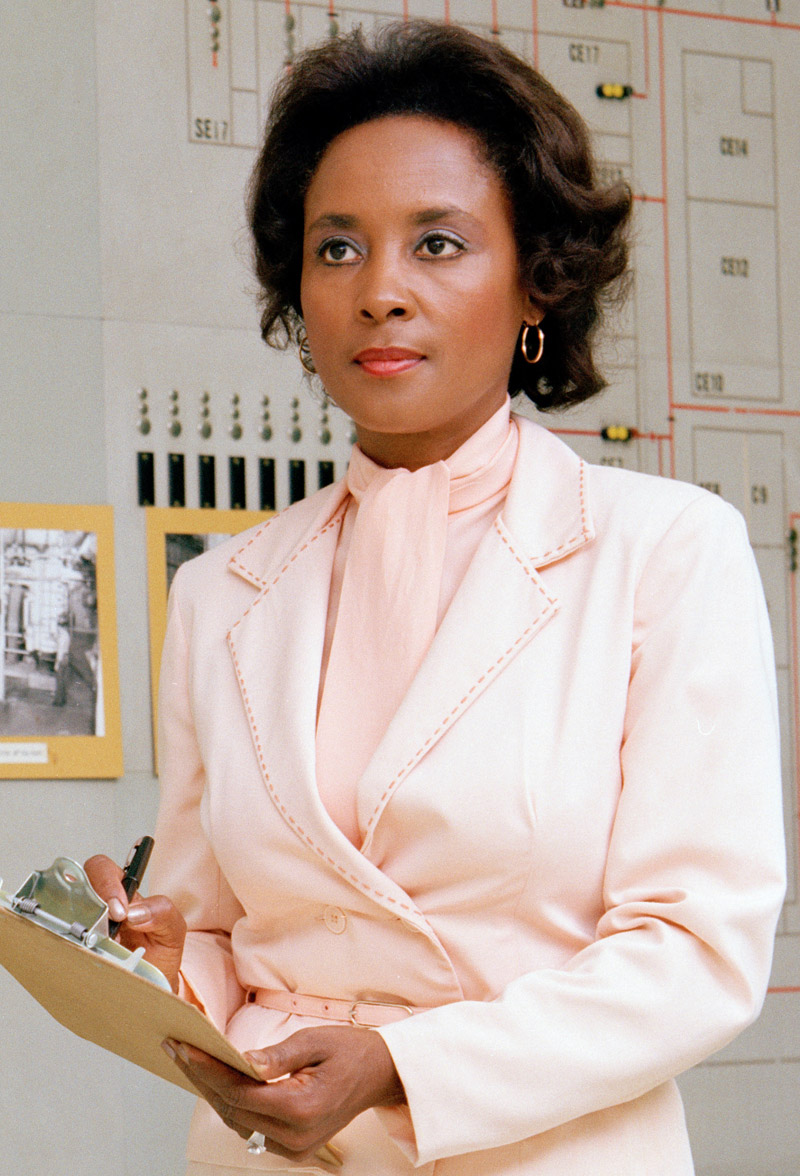
On April 23, 1933, Annie J. Easley was born in Birmingham, Alabama, entering a world that offered few clear pathways for Black women in science. Yet over the course of her career, Easley would help shape the technological backbone of modern America. Beginning her work at the National Advisory Committee for Aeronautics, the predecessor to NASA, she became part of a generation of Black women mathematicians and programmers whose contributions were essential but often overlooked.
Easley’s work evolved alongside the rapid transformation of computing itself. Initially hired as a “human computer,” she later became a skilled programmer, contributing to complex energy systems research and the development of the Centaur rocket program. Her calculations and code supported advancements in propulsion and alternative energy, placing her at the center of mid-20th-century innovation. At a time when both racial and gender barriers were deeply entrenched, Easley not only persisted but excelled in one of the most demanding technical environments in the country.
Her career also reflects the quieter, everyday realities of integration. Easley navigated segregated schooling, limited professional recognition, and systemic bias, yet remained committed to both her work and her community. She became an advocate for equal opportunity within NASA, encouraging younger employees to pursue education and challenge institutional barriers. Her story adds necessary depth to the narrative of American progress, reminding us that innovation has always depended on those working beyond the spotlight.
Today, Annie Easley’s legacy resonates far beyond aerospace. In classrooms, labs, and tech spaces across the country, her life stands as a testament to intellectual rigor, resilience, and the long arc of inclusion in STEM. Marking her birth on April 23 offers an opportunity to expand how we tell Black history, not only through protest and struggle, but through the brilliance that has powered American advancement.















Leave a Reply