

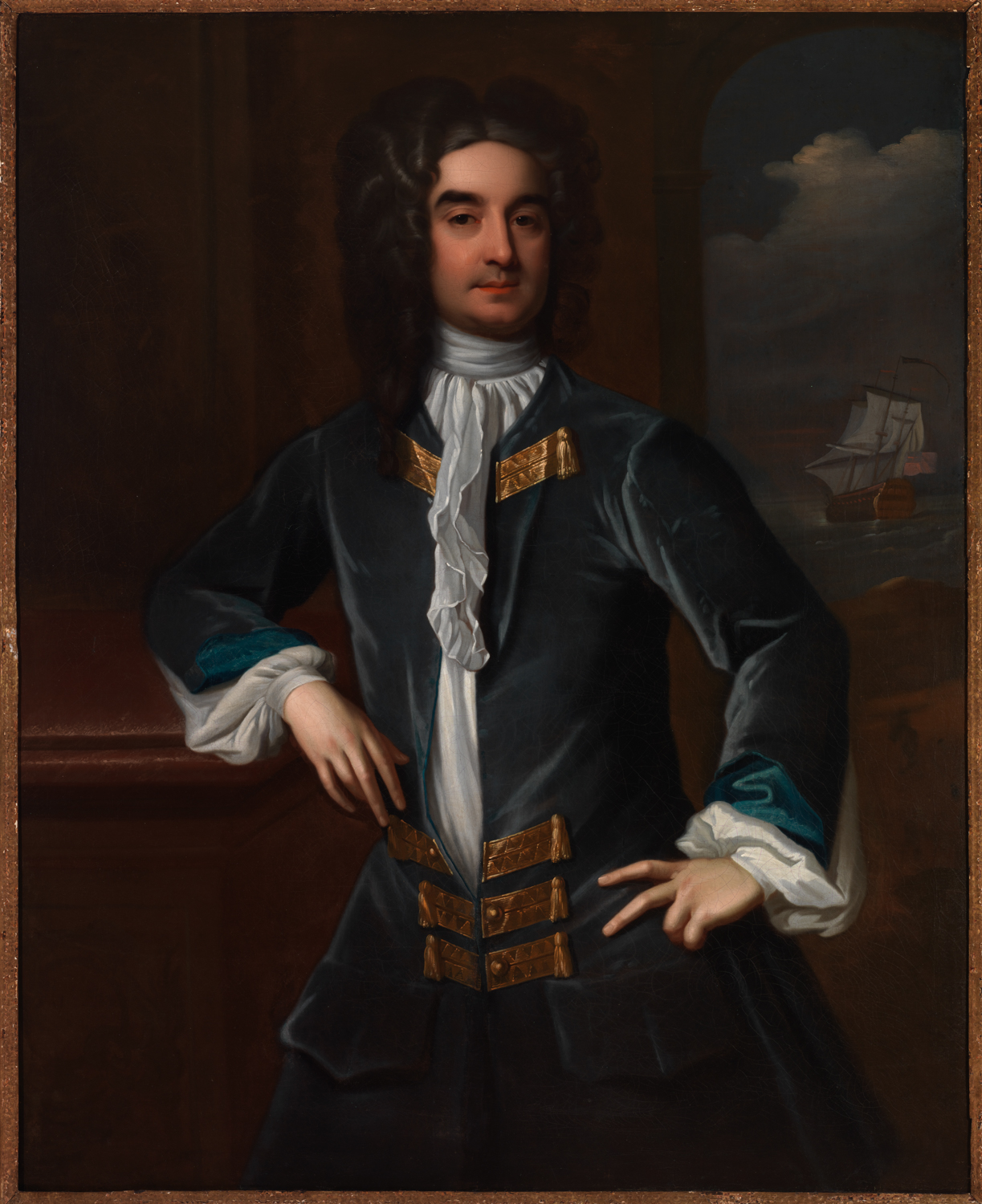
On April 22, 1737, William Byrd II placed an advertisement in the Virginia Gazette announcing the creation of a new town at the falls of the James River. Lots were surveyed and offered for sale, marking the moment Richmond formally entered public life. This is one of the rare instances where the origin of a major American city can be tied to a specific published date.
Byrd’s notice framed Richmond as a place of opportunity, emphasizing its location for trade and settlement. The falls line made it a natural commercial hub, and the April 22 advertisement functioned as both promotion and invitation. It translated geography into possibility, setting in motion the development of what would become Virginia’s capital.
Today, that single newspaper notice stands as Richmond’s documentary beginning. The city’s later roles—as a center of government, a Confederate capital, and a modern cultural hub—can all be traced back to that act of public founding.
















Leave a Reply