

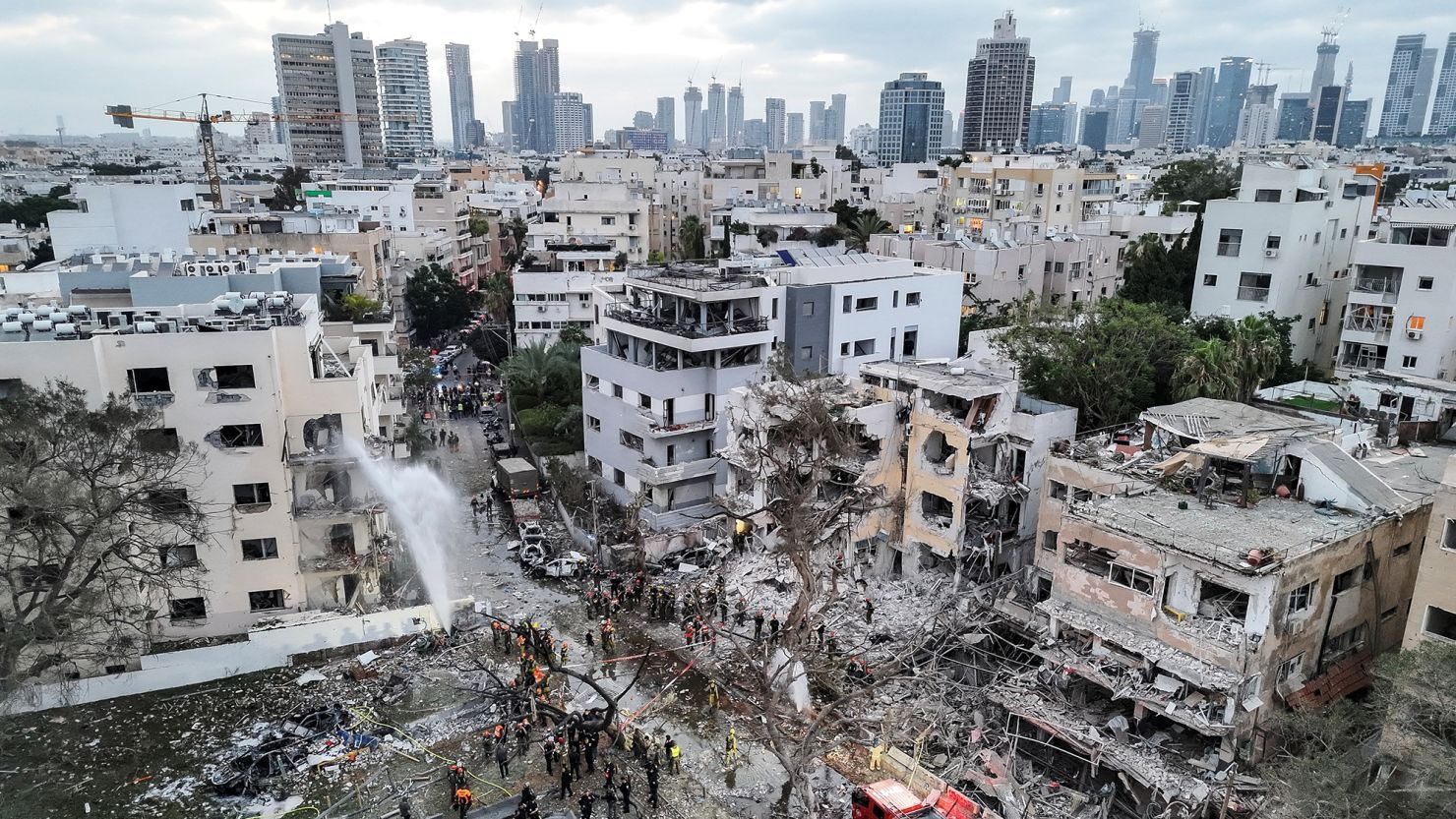

In the span of a single day, the United States moved from the edge of catastrophic war to a tenuous pause, driven less by strategy than by spectacle.
On Tuesday, Donald Trump issued one of the most extreme public threats in modern U.S. foreign policy. He warned that “a whole civilization will die tonight” if Iran failed to meet his demands. The ultimatum centered on the reopening of the Strait of Hormuz, a narrow maritime corridor through which roughly a fifth of the world’s oil supply passes.
Hours later, just before his own deadline expired, Trump reversed course and announced a two-week ceasefire. The pause was contingent on Iran allowing limited, coordinated passage through the strait.
The whiplash was immediate. So were the stakes.
A Crisis Defined by Rhetoric
The threat itself was not just unusually blunt. It was strategically ambiguous and globally destabilizing.
By invoking the destruction of a “civilization,” Trump blurred the line between military targeting and mass civilian harm. Defense analysts and international law experts have long held that such rhetoric, if operationalized, could signal intent toward disproportionate or indiscriminate force. That raises serious legal and ethical concerns.
Beyond legality, the language revealed something more fundamental. It exposed a negotiation style rooted in maximal pressure without clear off-ramps.
This was not quiet diplomacy. It was coercion performed publicly and at scale.
Embed from Getty Images
Negotiation or Improvisation?
The administration framed the outcome as a success, presenting it as a demonstration of strength forcing Iran to the table. The sequence tells a different story.
A deadline was set.
A catastrophic threat was issued.
Backchannel negotiations, reportedly involving Pakistan, scrambled to produce an alternative.
The United States accepted a partial concession from Iran.
Iran did not fully reopen the strait. Instead, it proposed a controlled, temporary safe-passage system coordinated with its military. This approach allows Iran to maintain leverage while avoiding immediate escalation.
Trump, who hours earlier suggested total destruction was imminent, called the proposal “workable.”
That shift, from absolutist demand to conditional acceptance, underscores a familiar pattern. Escalation is followed by retreat, then reframed as victory.
The Real Stakes: Beyond the Headlines
This is not just a story about rhetoric. It is about consequences that ripple far beyond Washington and Tehran.
Global economy:
Any disruption in the Strait of Hormuz threatens oil markets, supply chains, and energy prices worldwide. These impacts reach local communities, including working-class households already strained by inflation.
Military risk:
The United States has already conducted strikes on Iranian-linked targets. A miscalculation during this two-week window could reignite conflict instantly.
Diplomatic credibility:
When threats of annihilation are issued and then withdrawn within hours, allies and adversaries alike are left questioning the reliability of U.S. commitments.
A Two-Week Pause, or a Countdown?
The ceasefire is not peace. It is a pause defined by conditions, ambiguity, and unresolved tensions.
Negotiations are expected to continue, but key questions remain unanswered.
What constitutes “safe” reopening of the strait?
What concessions, if any, has the United States made behind closed doors?
What happens when the two weeks expire?
This moment reveals a broader reality. The current approach to diplomacy appears reactive rather than strategic, driven by deadlines and declarations instead of sustained engagement.














Leave a Reply