

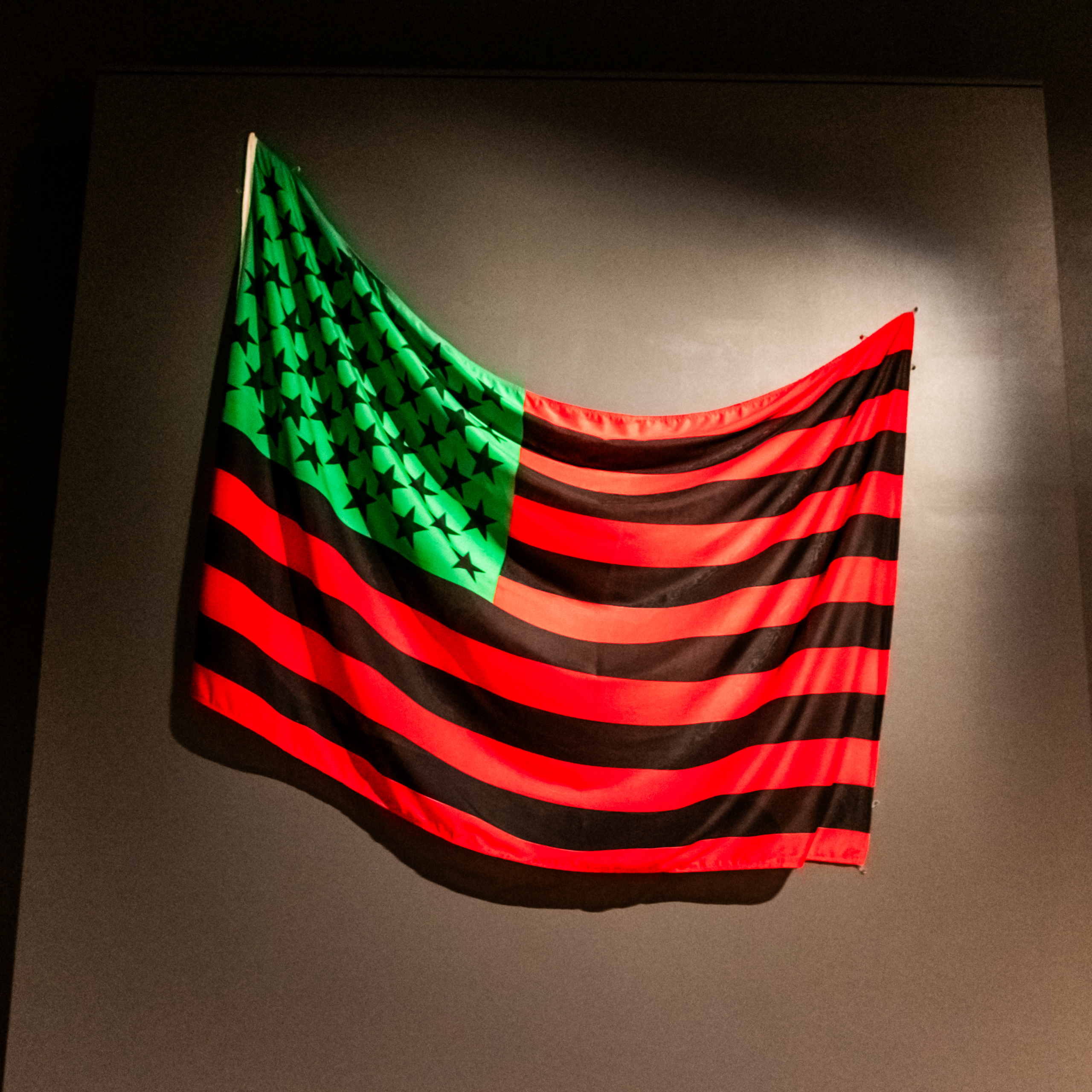
The United States was one of just three countries to vote against a United Nations resolution declaring the transatlantic slave trade the gravest crime against humanity, placing it in direct opposition to a broad global consensus on how that history should be recognized and addressed.
The resolution, led by Ghana and backed by the 54-member African Group, passed with 123 votes in favor. Only Argentina, Israel, and the United States voted against it, while 52 countries abstained.
Adopted on the International Day of Remembrance of Victims of Slavery, the measure formally recognizes the transatlantic slave trade and the system of racialized chattel enslavement as “the gravest crime against humanity,” citing its scale, duration, and enduring global consequences.
For more than four centuries, millions of Africans were captured, transported, and forced into labor across the Americas under systems that denied their humanity and reshaped global economies. The resolution frames those histories not as distant events, but as forces that continue to structure inequality, racial hierarchies, and economic systems today.
At the center of the vote is a deeper divide over whether—and how—those historical realities should translate into present-day accountability.
The resolution calls for addressing historical injustices through measures that include reparative justice, describing reparations as a “concrete step” toward remedy and healing for people of African descent worldwide.
In opposing the measure, the United States rejected that framing. U.S. representatives argued ahead of the vote that the resolution was “highly problematic,” stating that Washington does not recognize a legal right to reparations for actions that were not considered illegal under international law at the time they occurred.
That position places the U.S. at odds with a large majority of UN member states that supported not only the historical designation but the idea that its consequences require material and structural redress.
The vote highlights an ongoing tension in international forums: whether institutions like the United Nations should serve primarily as forward-looking bodies focused on present-day conflicts, or also as spaces where historical harms are formally acknowledged and addressed.
Leaders backing the resolution framed it as part of a broader push toward global accountability. Speaking on behalf of the African Group, Ghanaian President John Dramani Mahama described the moment as an effort to “affirm truth” and pursue healing through justice.
UN Secretary-General António Guterres echoed that sentiment, calling on countries to confront the lasting legacies of slavery, including systemic racism and inequality, and to remove barriers that continue to affect people of African descent.
The resolution also connects historical injustice to present-day global structures, including disparities in wealth, access to resources, and representation in international institutions.
While the measure is not legally binding, its passage contributes to an evolving international consensus on how slavery is understood—not only as a moral atrocity of the past, but as a defining force in the modern world.
The U.S. vote, however, underscores that consensus is not universal. By rejecting both the language of the resolution and its implications for reparations, the United States signaled resistance to codifying that interpretation within the official record of the international community.
As debates over reparatory justice continue to gain momentum globally, the divide revealed in this vote points to a broader question facing international institutions: what it means not just to remember history, but to formally recognize its consequences—and who is willing to act on that recognition.














Leave a Reply