VMFA at 90: A Community Celebration Signals the Museum’s Next Chapter

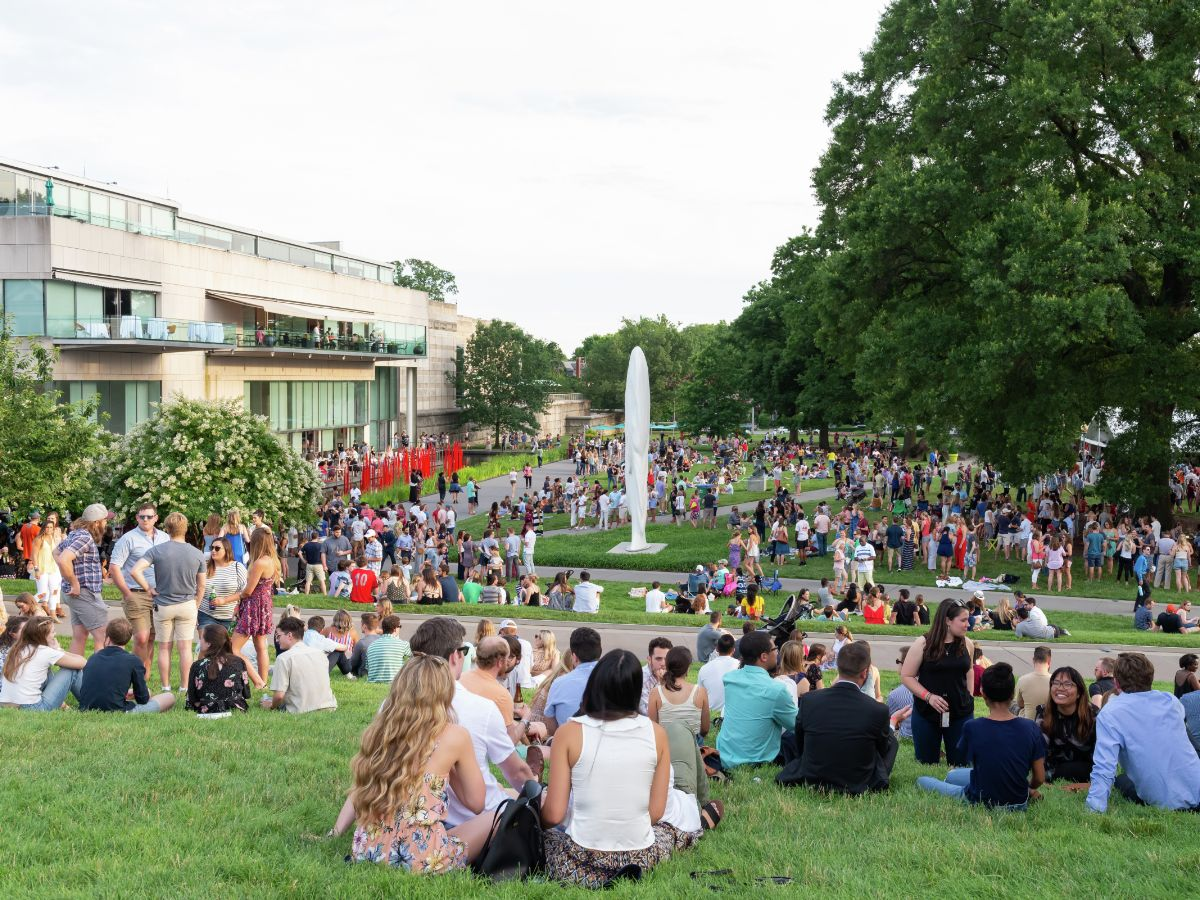
On April 12, the grounds of the Virginia Museum of Fine Arts will shift from gallery quiet to festival energy.
Live music, dance performances, art-making stations, food trucks, and family programming will fill the space from 1 to 4 p.m. as the museum marks its 90th anniversary with a public celebration. But the event is more than a milestone gathering — it’s the opening statement of what VMFA is positioning as its next era.
At the center of that shift is the launch of “See Yourself Here: The Campaign for VMFA,” an ambitious effort tied to the largest expansion and renovation project in the museum’s history.
A Milestone Framed as a Turning Point
Anniversary events often look backward. VMFA’s is designed to look forward.
The April 12 celebration functions as both a reflection on the institution’s nine decades in Richmond and a public introduction to how it intends to evolve. The campaign’s language — “See Yourself Here” — signals a continued push to redefine who the museum is for and how visitors experience it.
That framing comes at a time when museums nationwide are rethinking their role as civic spaces. For VMFA, the question is not just about growing its physical footprint, but about expanding its cultural reach within a city that is itself changing.
Programming as a Statement of Intent
The event’s lineup offers a clear view into that broader strategy.
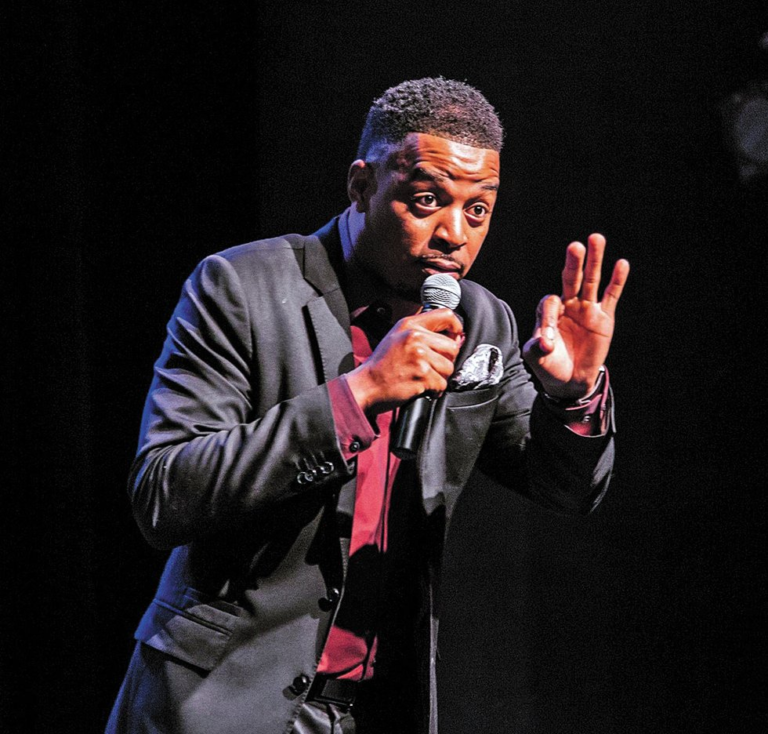
Performances span genres and communities: from The Outcasts Big Band to hip-hop line dancing with Kemel Patton, from the Richmond Jazz Society’s presentation of Counterpoint featuring Wayne “Big Pat” Patterson to Ezibu Muntu African Dance. The inclusion of the Virginia State University Trojan Explosion Marching Band brings a distinctly regional and historically rooted energy, while groups like the Choy Wun Lion Dance Troupe reflect Richmond’s growing cultural diversity.
Taken together, the programming reads less like a traditional museum event and more like a cross-section of the city itself.
Interactive elements reinforce that approach. Community members are invited to contribute to a collaborative display, participate in hands-on art activities, and share their own stories through the “See Yourself Here Story Studio.” Even the inclusion of early childhood programming and the Artmobile points to an emphasis on accessibility and outreach beyond the museum’s walls.
The Museum as Civic Space
VMFA has long held a unique position among major U.S. art museums for its free general admission policy. Events like this build on that foundation, leaning into the idea of the museum not only as a place to view art, but as a shared public space.
The structure of the celebration — free, unticketed, open to all — reflects that philosophy. Visitors can move between performances, exhibitions, and outdoor activities without barriers, creating an experience that blends cultural programming with the atmosphere of a citywide gathering.
Food trucks, café pop-ups, and extended hospitality offerings further blur the line between museum visit and community event, making the space feel less formal and more participatory.
Expansion and the Future of VMFA
While the anniversary provides the occasion, the campaign provides the context.
The “See Yourself Here” initiative is tied directly to a major expansion and renovation effort that will reshape the museum’s campus. Though full details of the project will continue to emerge, the framing suggests a focus on both physical growth and experiential change — how people enter, move through, and connect with the museum.
For Richmond, the implications extend beyond the institution itself. VMFA is one of the city’s most visible cultural anchors, and its evolution often mirrors broader shifts in how the region invests in arts, education, and public life.
A Public Invitation
What makes the April 12 event notable is not just its scale, but its tone.
Rather than positioning the anniversary as a formal commemoration, VMFA is opening its doors — and its lawn — as an invitation. The message is embedded in both the campaign and the event design: the museum is not a static institution, but one that is actively being shaped by the people who pass through it.
As Richmond continues to grow and redefine itself, that question — who sees themselves in its cultural institutions — remains central. With its 90th anniversary celebration, VMFA is offering one answer, while leaving space for the community to respond.
Author