

Introduction
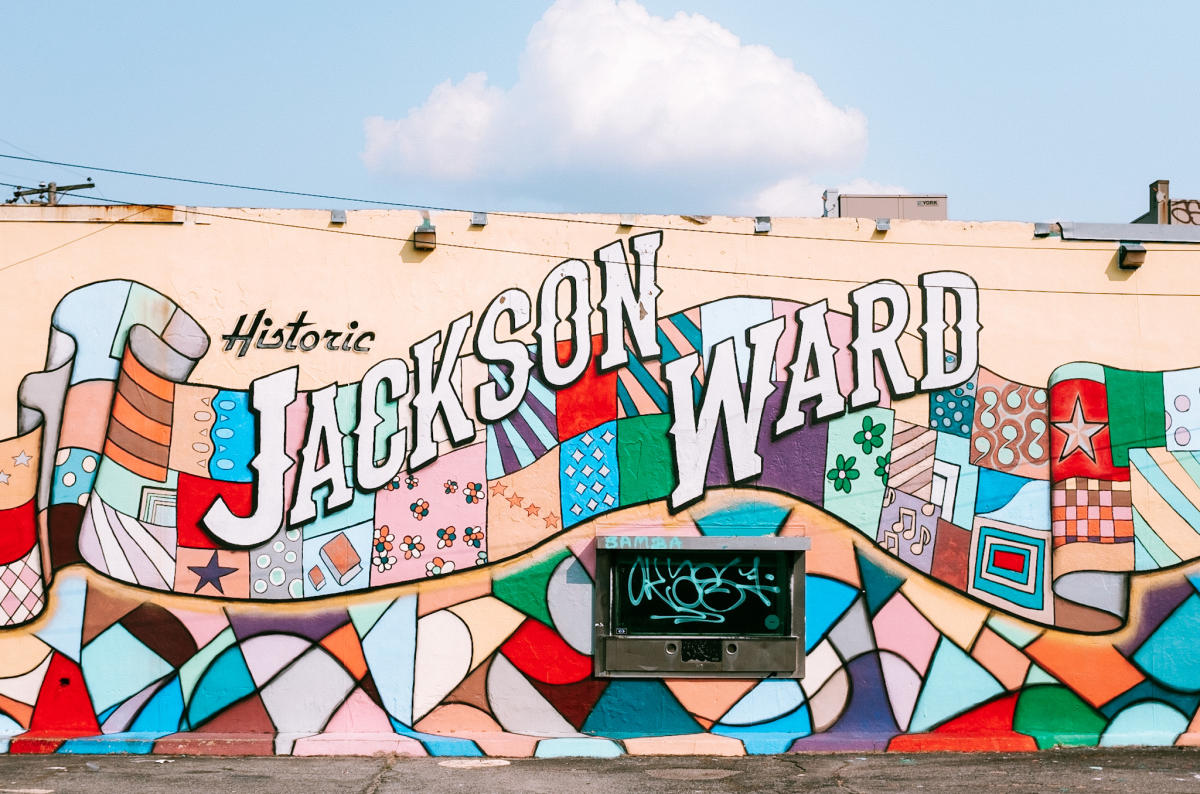
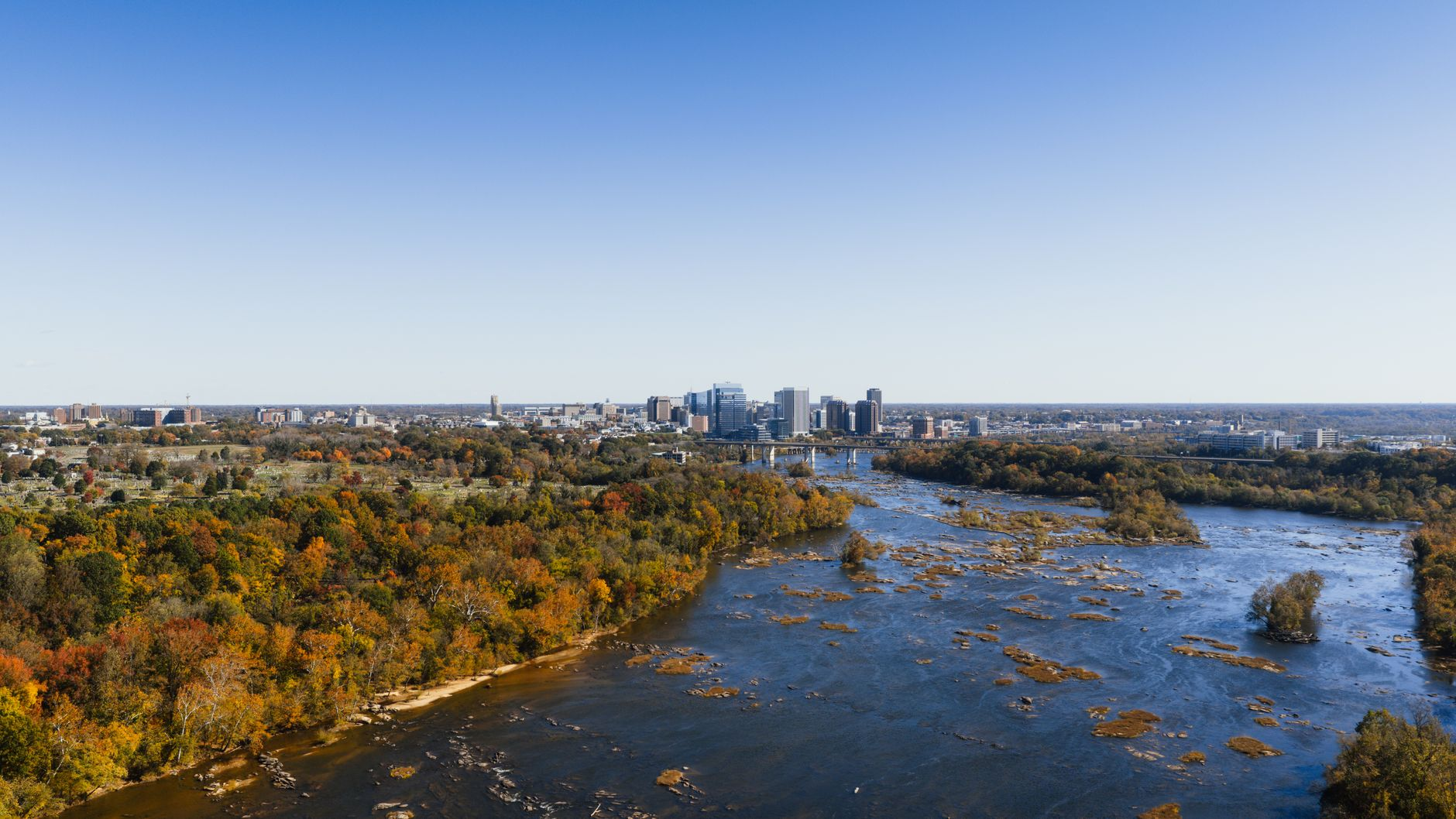
Few neighborhoods in Richmond carry the historical weight—or cultural influence—of Jackson Ward. Just north of Broad Street, within walking distance of the state’s political center, this neighborhood became one of the most important Black urban communities in the United States.
Known nationally as both the “Harlem of the South” and a version of “Black Wall Street,” Jackson Ward was more than a neighborhood—it was a self-sustaining ecosystem of Black enterprise, culture, and civic leadership built in the face of systemic exclusion.
Its story traces a full arc of American history: from Reconstruction optimism to Jim Crow suppression, from economic brilliance to physical destruction, and now, a complex period of revival.
Origins: A Post–Civil War Community Takes Shape


4
Jackson Ward’s roots stretch back to the late 1700s, when free Black residents and emancipated people began acquiring land and building homes in the area.
After the Civil War, the neighborhood became a major destination for newly freed Black Richmonders. By the 1870s, the city formally designated the area as “Jackson Ward,” consolidating much of Richmond’s Black population into a single political district.
That decision was not neutral—it was a form of political containment. Gerrymandering limited Black representation in city government, even as the neighborhood’s population and influence grew.
Despite these constraints, Jackson Ward quickly evolved into a center of Black life, anchored by churches, fraternal organizations, and early business activity.
The Golden Era: Black Wall Street and the Harlem of the South


4
By the early 20th century, Jackson Ward had become one of the most economically vibrant Black communities in the country.
More than 100 Black-owned businesses operated in the neighborhood, including banks, insurance firms, newspapers, and retail shops.
Among them was the St. Luke Penny Savings Bank, founded by Maggie Lena Walker—the first woman in the United States to charter and lead a bank.
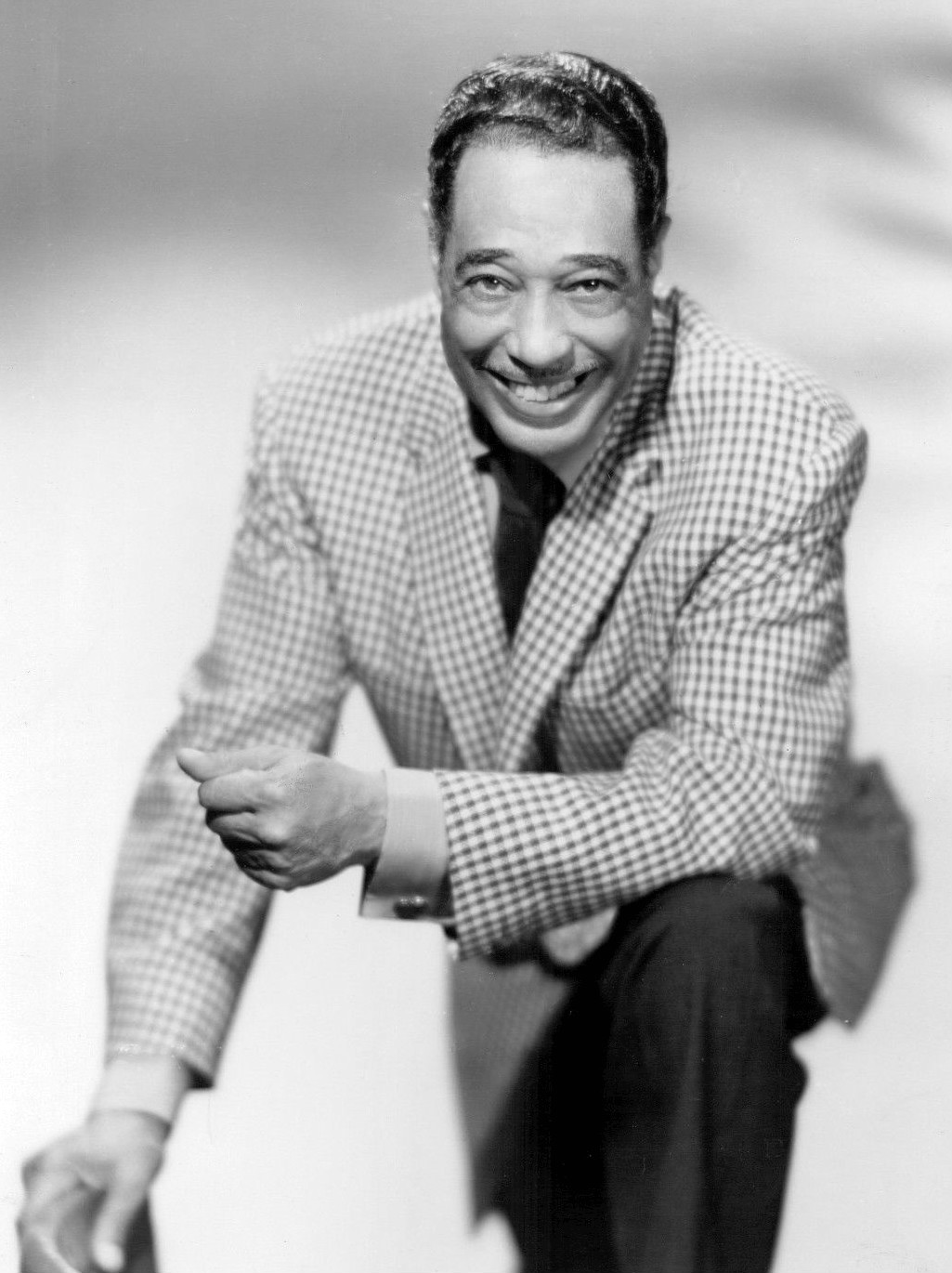
The corridor along Second Street became the cultural heartbeat of the neighborhood. The Hippodrome Theatre hosted major Black performers including Duke Ellington and Ella Fitzgerald, while local entrepreneurs built a thriving nightlife and entertainment district.
This concentration of talent and capital earned Jackson Ward its national reputation:
- A hub of Black entrepreneurship
- A center for arts and performance
- A model of economic self-sufficiency during segregation
At its peak, Jackson Ward represented a rare space where Black wealth, creativity, and leadership could grow despite legal and social barriers.
Disenfranchisement and Decline
The same forces that shaped Jackson Ward’s rise also contributed to its decline.
In 1902, Virginia’s new constitution effectively disenfranchised most Black voters through poll taxes and literacy tests, cutting off political power that had once been growing in the neighborhood.
Mid-20th century urban policy delivered an even more lasting blow.
In the 1950s and 60s, the construction of Interstate 95 and urban renewal projects cut directly through Jackson Ward, demolishing homes and businesses and physically dividing the community.
The impact was immediate and generational:
- Hundreds of properties destroyed
- Long-standing business corridors disrupted
- Social networks fractured
What had been a dense, walkable Black economic hub was split into disconnected sections, accelerating disinvestment.
Preservation, Recognition, and Revival


4
Despite these losses, Jackson Ward never disappeared.
The neighborhood was designated a National Historic Landmark District in the late 1970s, recognizing its national significance to Black history and culture.
Today, it remains one of the largest historic districts tied to African American heritage in the United States.
Recent years have brought renewed attention and investment:
- Preservation efforts highlighting historic homes and architecture
- Cultural institutions like the Black History Museum anchoring storytelling
- Annual events like the Second Street Festival reconnecting the community to its legacy
- New waves of Black-owned businesses and creative enterprises
At the same time, conversations about gentrification, displacement, and equitable development continue to shape the neighborhood’s future.
Why Jackson Ward Still Matters
Jackson Ward is not just a historic district—it is a lens into how Black communities built power, lost ground, and continue to reclaim space.
Its legacy includes:
- One of the earliest and most successful Black business districts in America
- A cultural hub that shaped national entertainment and artistic networks
- A case study in how public policy can both suppress and dismantle thriving communities
- An ongoing example of preservation, memory, and reinvestment
For Richmond, Jackson Ward remains central to understanding the city’s identity—not just its past, but its future.







Leave a Reply