
Mother’s Day Beyond the Brunch Reservation
In Richmond, Mother’s Day often arrives wrapped in familiar rituals — packed restaurants, flower deliveries, church services, and carefully planned family gatherings. But beneath the celebrations is something quieter: a recognition of the emotional and cultural weight mothers carry every day.
For many families, the holiday has become less about perfection and more about presence. Adult children return home for a meal. Old photographs resurface. Conversations drift toward family history, sacrifice, and the ways mothers shape identity long before anyone notices it happening.
Across the city, motherhood looks different in every household. Some mothers are raising young children while balancing careers and rising costs. Others are navigating empty nests, caring for aging parents, or supporting multiple generations at once. Many continue to serve as the emotional center of their families long after their children become adults themselves.
Richmond’s culture is deeply tied to these everyday forms of care. Mothers are often the organizers behind school events, the first supporters of young artists and athletes, the keepers of recipes, traditions, and stories that survive across generations. Their work frequently exists outside public recognition, even while it shapes the rhythm of community life.
The holiday itself has also evolved. While Mother’s Day is now heavily commercialized, its origins were rooted in reflection and appreciation rather than consumerism. The modern American observance began in the early 20th century as a way to honor personal sacrifice and maternal influence before eventually becoming one of the country’s busiest retail holidays.
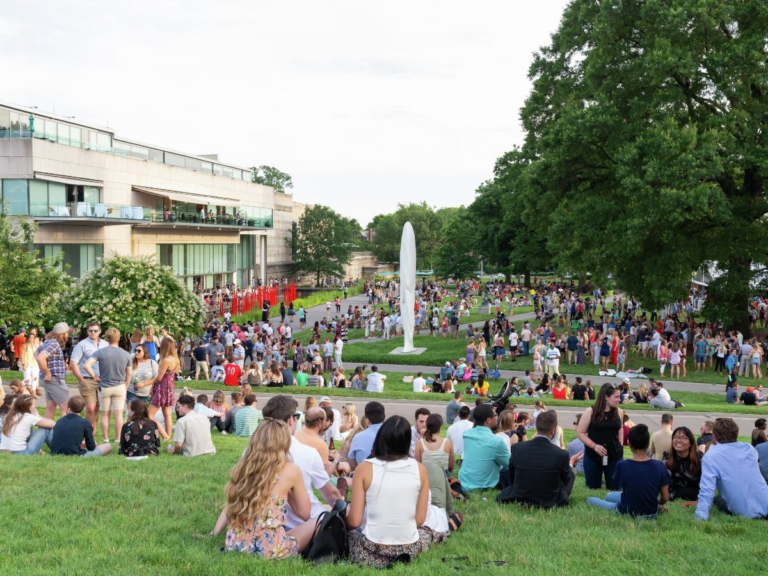
In Richmond, many residents are choosing more intentional ways to celebrate. Some families are spending time outdoors along the James River. Others are visiting museums, attending concerts, or simply gathering at home for slower, more personal moments together.
What remains consistent is the emotional meaning attached to the day. For some, Mother’s Day is joyful. For others, it carries grief, memory, distance, or complicated family histories. The holiday often becomes a reflection not only of motherhood itself, but of how families evolve over time.
Still, amid the crowded brunches and greeting cards, the deeper sentiment remains unchanged: a pause to acknowledge the women whose care, labor, patience, and guidance continue to shape families and communities in ways both visible and unseen.
Author