

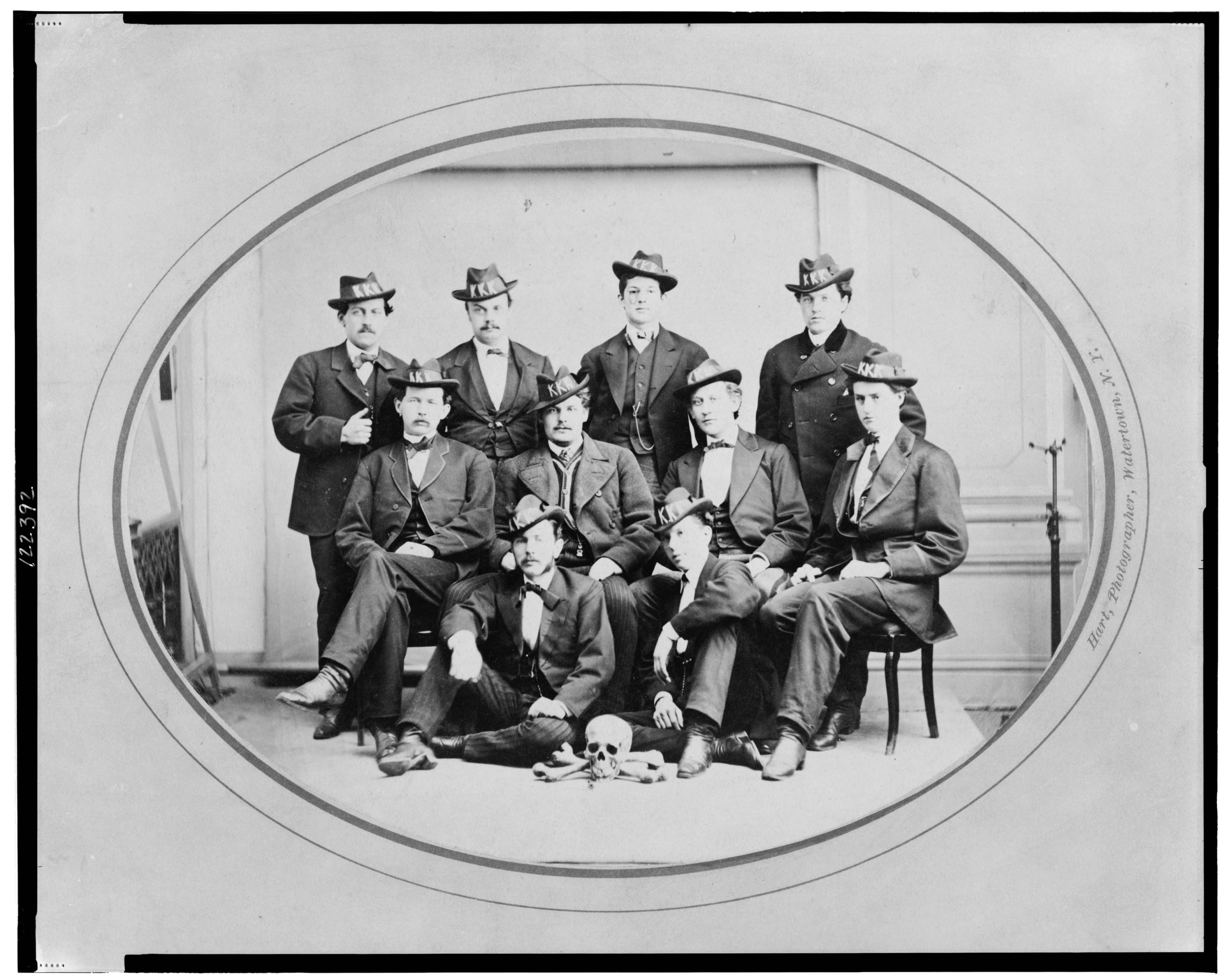

On April 20, 1871, the U.S. Congress passed the Ku Klux Klan Act, a sweeping piece of Reconstruction legislation intended to crush white supremacist violence and protect Black citizenship in the post–Civil War South. Championed under President Ulysses S. Grant, the law authorized federal intervention against groups like the Klan, including the use of military force and the suspension of habeas corpus. On paper, it represented one of the strongest federal commitments to Black civil rights in American history. For Black Virginians facing intimidation at the polls, night raids, and economic retaliation, the act signaled a moment of possibility, a brief alignment of federal power with their demand for safety and full citizenship.
But that promise was fragile and short lived. While federal prosecutions did temporarily disrupt Klan networks in parts of the South, including Virginia, enforcement quickly waned as political will in the North declined. By the mid 1870s, white supremacist violence had resurged, often under new names and with broader community support. In Virginia, Black political gains made during Reconstruction were steadily rolled back through intimidation, legal maneuvering, and eventually codified disenfranchisement. The act did not dismantle the systems that sustained racial terror. It interrupted them, briefly, before retreating in the face of organized resistance and national indifference.
Today, April 20, 1871 stands as both a marker of federal intervention and a cautionary example of its limits. In Virginia, where the legacies of Reconstruction are still visible in disparities in voting access, criminal justice, and political representation, the story of the Ku Klux Klan Act underscores a hard truth. Legislative power without sustained enforcement cannot secure justice. The gap between what the law promised and what Black communities experienced remains central to understanding both the failures of Reconstruction and the ongoing struggle for civil rights in the Commonwealth.











Leave a Reply