

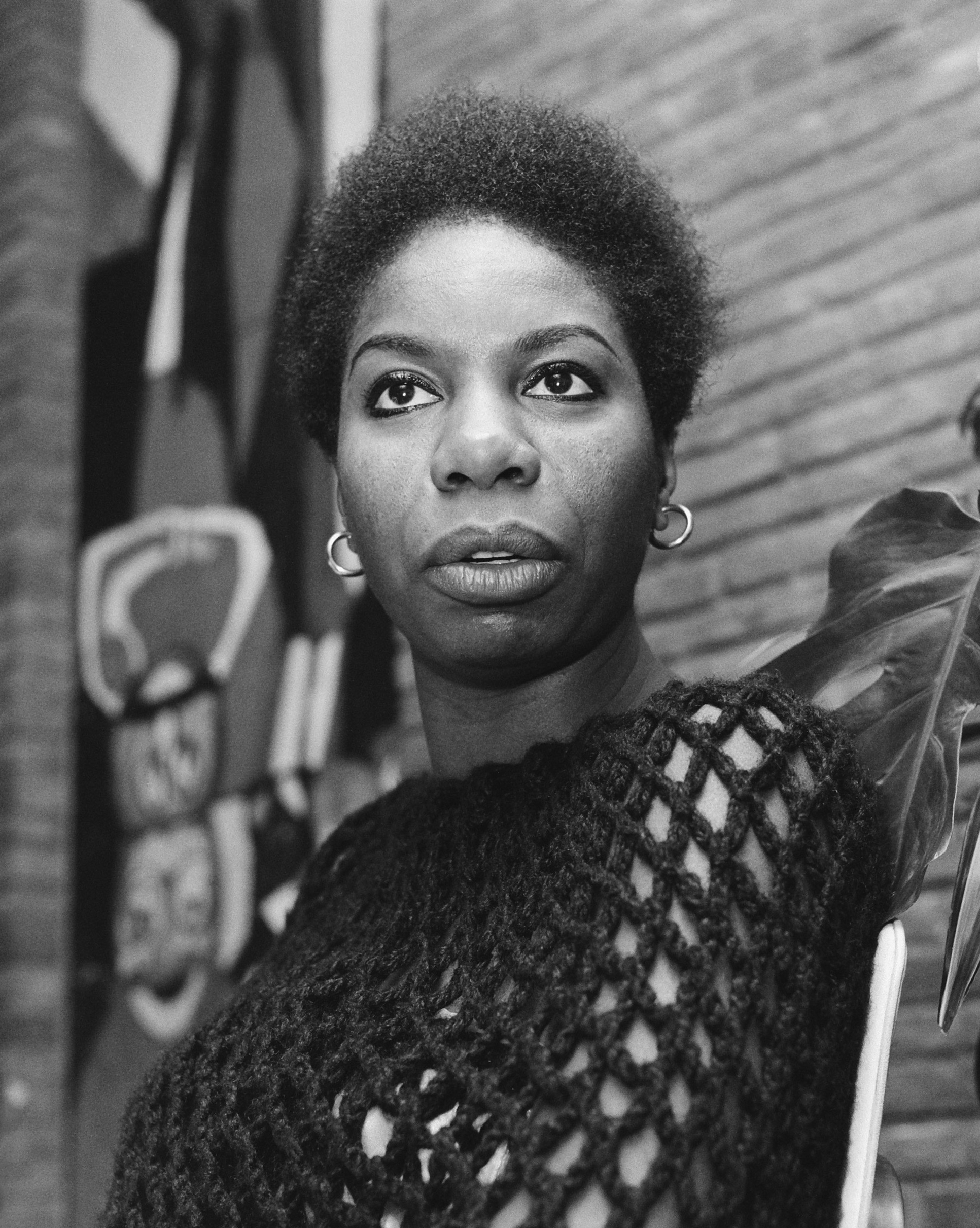

On April 21, 2003, Nina Simone died at her home in Carry le Rouet, France, closing the life of one of the most uncompromising voices in American music and political expression. Born Eunice Kathleen Waymon in North Carolina, Simone was trained as a classical pianist before turning to jazz, blues, and folk performance after being denied entry to a prestigious conservatory, a rejection she long attributed to racial discrimination. That early rupture shaped a career defined by both artistic brilliance and an unflinching confrontation with injustice.
By the early 1960s, Simone had moved decisively into the civil rights movement, transforming her performances into acts of resistance. Songs such as Mississippi Goddam, written in response to the murder of Medgar Evers and the bombing of the 16th Street Baptist Church, rejected the expectation that Black artists remain apolitical. Instead, Simone used the stage to articulate rage, grief, and urgency in ways that few mainstream performers dared. Her work stood alongside speeches, protests, and organizing efforts, making her a central cultural voice of the movement.
Simone’s influence extended far beyond her lifetime. Her interpretations of songs like I Loves You, Porgy and To Be Young, Gifted and Black reshaped the possibilities of vocal expression, while her insistence on artistic and political autonomy helped redefine the role of the Black artist in American public life. For audiences in Virginia and across the South, her music resonated with the lived realities of segregation, resistance, and cultural pride during the very decades when the region was undergoing profound transformation.
Today, Simone’s legacy is preserved through archives, recordings, and continued reinterpretation by new generations of artists. April 21 stands as a precise moment to reflect on how her work fused music and movement, leaving behind not just songs, but a framework for artistic truth telling that continues to influence American culture.










Leave a Reply