

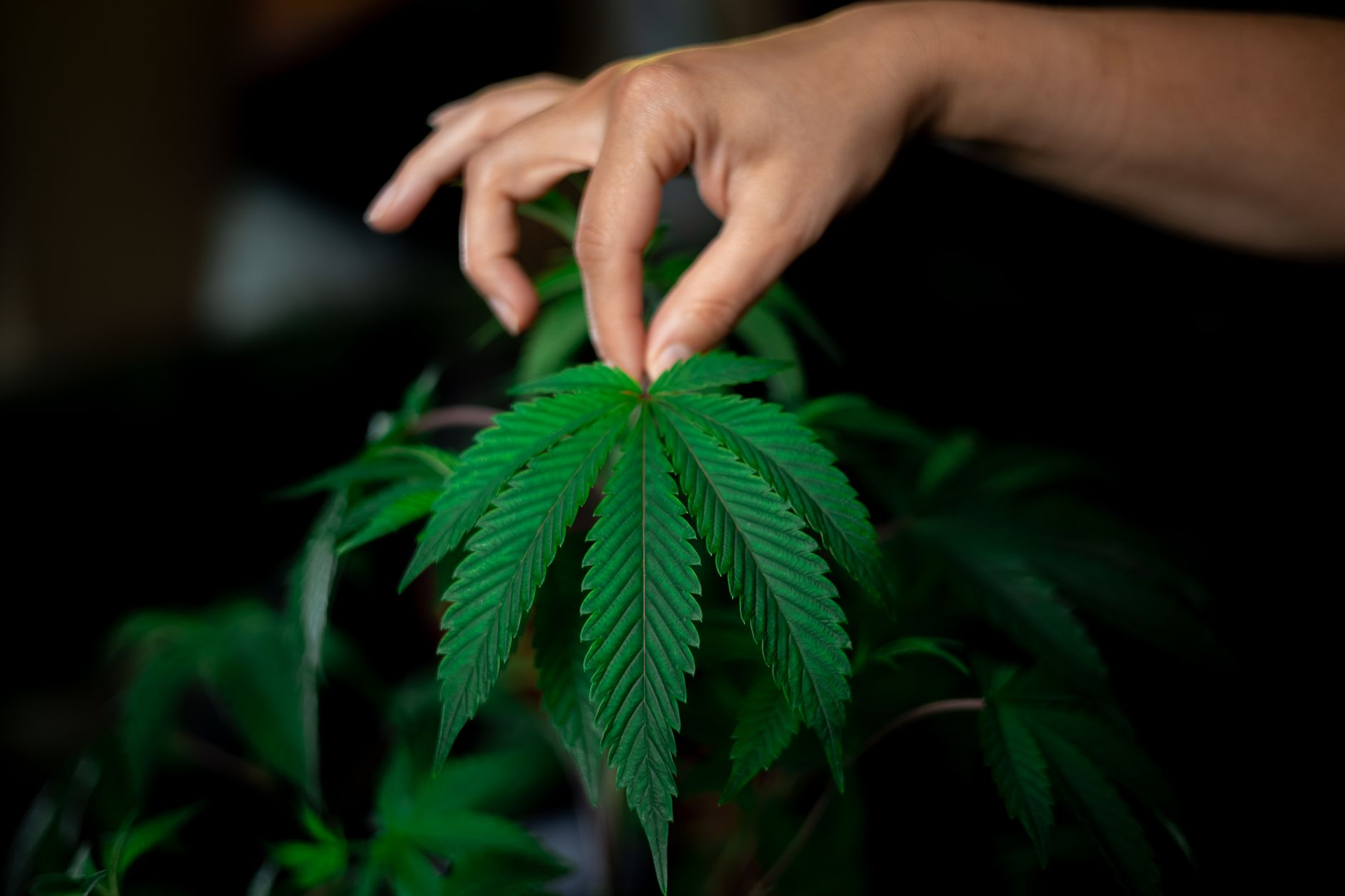
For a state that literally built its early empire on tobacco leaves, Virginia has spent the last few years acting surprisingly squeamish about a different kind of green. We’ve been living in a bizarre cannabis purgatory since 2021: you could legally have the weed, and you could legally grow the weed, but trying to actually buy it required either a medical card or a sketchy meet-up in a grocery store parking lot.
That legislative blue-tension has finally snapped.
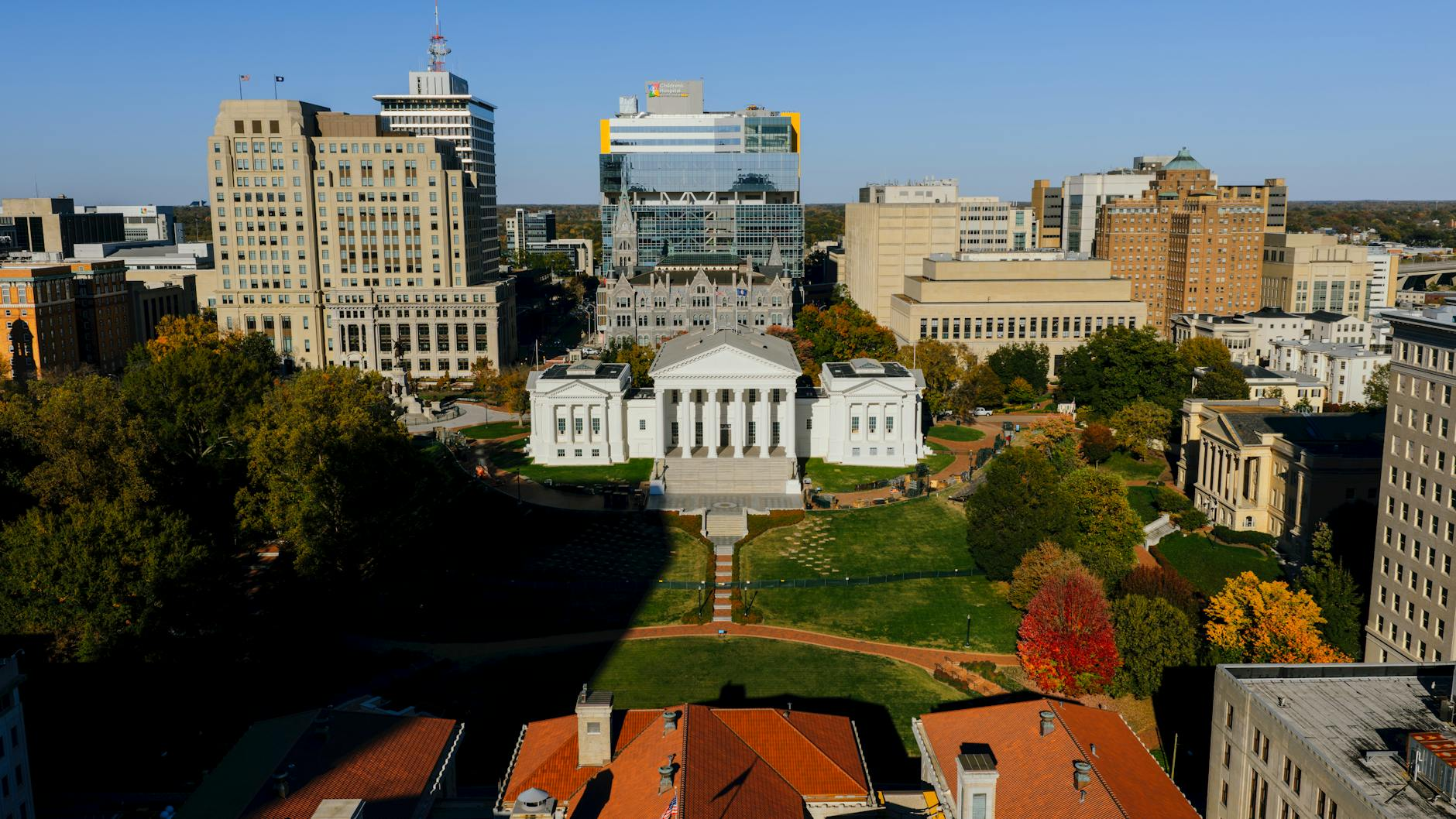
In a classic piece of Richmond political theater, Governor Abigail Spanberger and General Assembly leaders skipped the front door and snuck a historic retail cannabis compromise right into the state budget. Reconciling the heavy lifting of HB 698 (championed by Delegate Paul Krizek) and SB 448 (led by Senator Aaron Rouse and Senator Lashrecse Aird), Virginia has officially greenlit a fully regulated, adult-use retail market.
Grab your favorite rolling papers and let’s break down exactly what this means for your weekend plans, your wallet, and the culture.
The Cheat Sheet: When, Where, and How Much?
Because nobody wants to read 400 pages of budget amendments while trying to enjoy their day, here is the quick-and-dirty breakdown of how this rollout is actually going to look:
- The Launch Date: Mark your calendars for July 1, 2027. Yes, it’s a bit of a wait, but the Cannabis Control Authority (CCA) insisted they need the runway to get the regulatory engine running smoothly.
- The Golden Tickets: The state is capping retail licenses at 350 dispensaries. This is the ultimate “Goldilocks” compromise—smaller than the legislature’s hoped-for 500, but big enough to ensure you won’t have to drive three counties over to find an open shop.
- Opening the Gates: Prospective business owners can start throwing their hats in the ring when applications open on February 1, 2027.
- The Pocket Limit: The legal possession limit for adults is officially doubling, bumping up from 1 ounce to 2 ounces.

Keeping It Craft: Blocking the Corporate Takeover
One of the coolest cultural victories tucked inside this compromise is the 70,000-square-foot cultivation cap for mega-processors.
Without getting bogged down in corporate agriculture jargon, this cap is essentially a giant “Do Not Enter” sign for massive, out-of-state multi-state operators (MSOs) looking to monopolize the market. By limiting how much canopy space the giant players can grow, Virginia is actively carving out room for local craft cultivators, independent farmers, and boutique brands.
Think of it as protecting your local microbrewery from getting swallowed whole by Anheuser-Busch. We love to see it.
The Buzzkill: Taxes and Closing the Gas Station Loophole
Of course, the government isn’t doing this out of the goodness of their hearts—they want their cut.
When doors open in 2027, you’ll pay a 6% state tax on your purchases. But enjoy that rate while it lasts; on July 1, 2029, it automatically bumps up to 8%, with the extra cash earmarked for public education and healthcare. Local municipalities can also tack on their own tax of up to 3.5%.
And if you’ve ever played Russian roulette with those sketchy “hemp-derived” Delta-9 gummies sold next to the beef jerky at the local gas station, those days are over. The new framework completely closes the infamous “25:1 hemp loophole.” From here on out, if it gets you high, it’s being regulated, tested, and taxed under the same strict rules. No more mystery science projects in shiny foil packaging.
The Vibe Check: Progress vs. Policing
Now for the reality check. While this compromise is undoubtedly a massive leap forward, it’s not a flawless victory.
Social justice advocates and community organizers are waving some highly valid yellow flags. In exchange for signing off on the retail market, Governor Spanberger insisted on some pretty heavy-handed law-and-order provisions.
Most notably, consuming cannabis in public will carry a stiff $250 civil penalty starting in 2027. There are also incredibly strict new penalties for underage sales, up to and including immediate license revocation for stores that slip up.
The worry here is obvious: we’ve seen how “public consumption” fines historically play out, often resulting in disproportionate policing of marginalized communities and people who don’t have the luxury of private backyards. The Joint Commission on Cannabis Transition has promised to keep an eye on how these equity issues play out over the next year, but it’s a stark reminder that legalization in the South always comes with a side of caution.
The Bottom Line
Virginia’s path to legal weed has been anything but smooth. It’s been a journey of vetoes, backroom budget negotiations, and endless political posturing. But by anchoring the retail framework in the state budget, the Commonwealth has finally set a concrete destination.
By July 2027, Virginia won’t just be “for lovers”—it’ll be for legal, safe, and locally-grown cannabis. Until then, keep your home grows tidy, stay safe, and get ready for a whole new era in the Old Dominion.








Leave a Reply