
After Spirit: How Richmond’s Airport Is Adjusting to a Sudden Airline Shutdown
The shutdown of Spirit Airlines on May 2 is sending ripple effects through Richmond International Airport (RIC), ending years of rapid growth for one of the airport’s most aggressive low-cost carriers and leaving travelers with fewer budget options to Florida and Myrtle Beach.
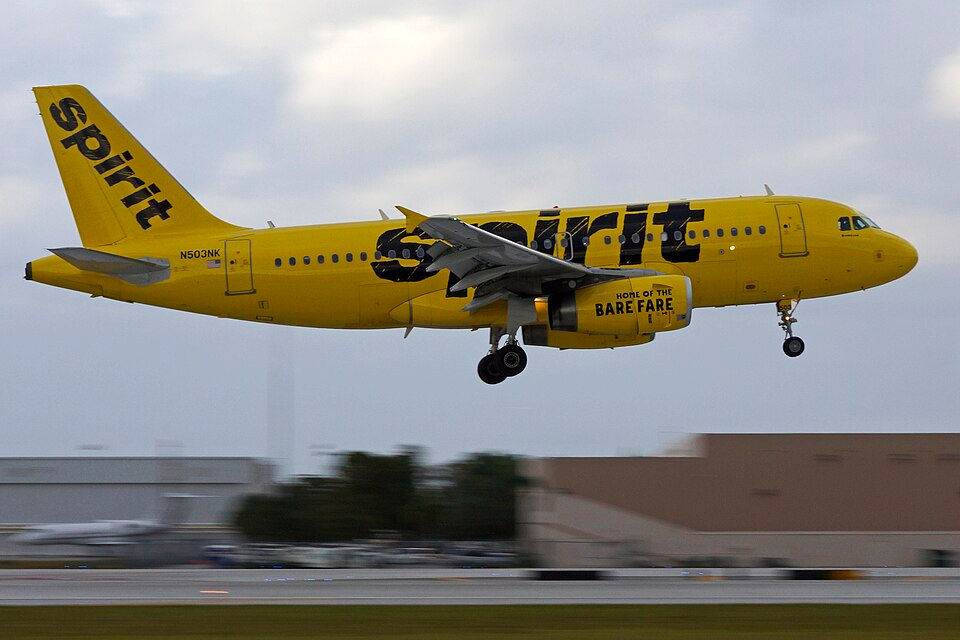
Spirit abruptly ceased all operations nationwide after months of financial instability and failed restructuring efforts, grounding flights across the country and immediately ending service in Richmond. Prior to the shutdown, the airline operated several daily departures from RIC, connecting Central Virginia travelers to popular leisure destinations including Orlando, Fort Lauderdale, Tampa, Fort Myers, West Palm Beach, and Myrtle Beach.
While Spirit represented a relatively small share of Richmond’s total passenger traffic — estimated at roughly 4% — the airline played an outsized role in the airport’s low-cost leisure market.
For many Richmond-area travelers, Spirit became synonymous with inexpensive nonstop access to Florida vacation destinations. Its presence also helped pressure larger carriers to remain competitive on pricing, particularly during peak travel seasons.
The closure now raises questions about how quickly airlines can absorb the lost capacity and whether airfare prices on former Spirit routes could increase in the months ahead.
A Noticeable Presence at RIC
Spirit’s footprint at Richmond had expanded considerably in recent years.
In late 2023 and throughout 2024, airport officials touted strong passenger growth tied in part to Spirit’s expansion strategy. The airline benefited from increased demand for low-cost leisure travel following the pandemic, particularly among travelers heading to beach and tourism markets.
Though Spirit never approached the scale of dominant carriers like Delta, American, or Southwest at RIC, the airline maintained a visible and consistent operation. Industry estimates suggest the carrier handled thousands of annual departures from Richmond before operations ceased.
The loss is especially significant because Spirit occupied a specific niche within Richmond’s airline ecosystem: ultra-low-cost nonstop leisure service.
Impact on Travelers
For Richmond travelers, the immediate effect is fewer direct flight options and potentially higher prices on Florida routes.
Passengers who previously relied on Spirit for low fares may now shift toward:
- Breeze Airways
- Southwest Airlines
- JetBlue
- American Airlines
- Delta Air Lines
Some travelers may also turn to nearby airports in Norfolk, Raleigh-Durham, or Washington-area hubs if pricing becomes less competitive at RIC.
The disruption could disproportionately affect budget-conscious travelers, families, students, and residents who relied on Spirit’s promotional fares for vacation travel.
At the same time, aviation analysts note that Richmond’s airport remains in a relatively strong position overall. RIC has experienced steady post-pandemic passenger growth and has continued attracting new routes and expanded airline service over the last several years.
Breeze Airways Positioned to Expand
One of the clearest potential beneficiaries of Spirit’s collapse is Breeze Airways.
The newer low-cost carrier has steadily expanded its presence in Richmond and already serves several Florida destinations. Breeze has also marketed itself as a flexible alternative to traditional airlines while targeting underserved mid-sized airports like Richmond.
Airport observers expect Breeze and other carriers to move quickly to capture former Spirit passengers, especially on high-demand leisure routes.
Whether airlines fully replace Spirit’s seat capacity remains uncertain, but Richmond’s strong travel demand and growing population make the market attractive for expansion.
Broader Economic Questions
Spirit’s shutdown also highlights larger shifts occurring within the airline industry.
Ultra-low-cost carriers have faced increasing pressure from:
- rising fuel costs
- aircraft delivery delays
- labor expenses
- changing consumer expectations
- stronger competition from legacy carriers offering “basic economy” fares
For airports like Richmond, the challenge becomes maintaining affordable travel options while continuing to expand service.
RIC officials have spent years positioning the airport as a growing regional hub with accessible pricing and expanding nonstop destinations. Spirit’s exit creates a temporary setback in that strategy, particularly for travelers seeking the lowest-cost airfare options.
Still, airport growth trends suggest Richmond is unlikely to lose momentum entirely. The airport has continued setting passenger records and remains one of the stronger-performing mid-sized airports in the region.
The coming months will likely determine whether competing airlines step in aggressively enough to fill the gap Spirit leaves behind.
Author