RVA Gas Prices Surge as Global Wars Continue to Shake Oil Markets and Local Economies
Gas prices across the RVA region remain elevated as ongoing global conflicts continue disrupting oil markets and fueling broader economic uncertainty across the United States.
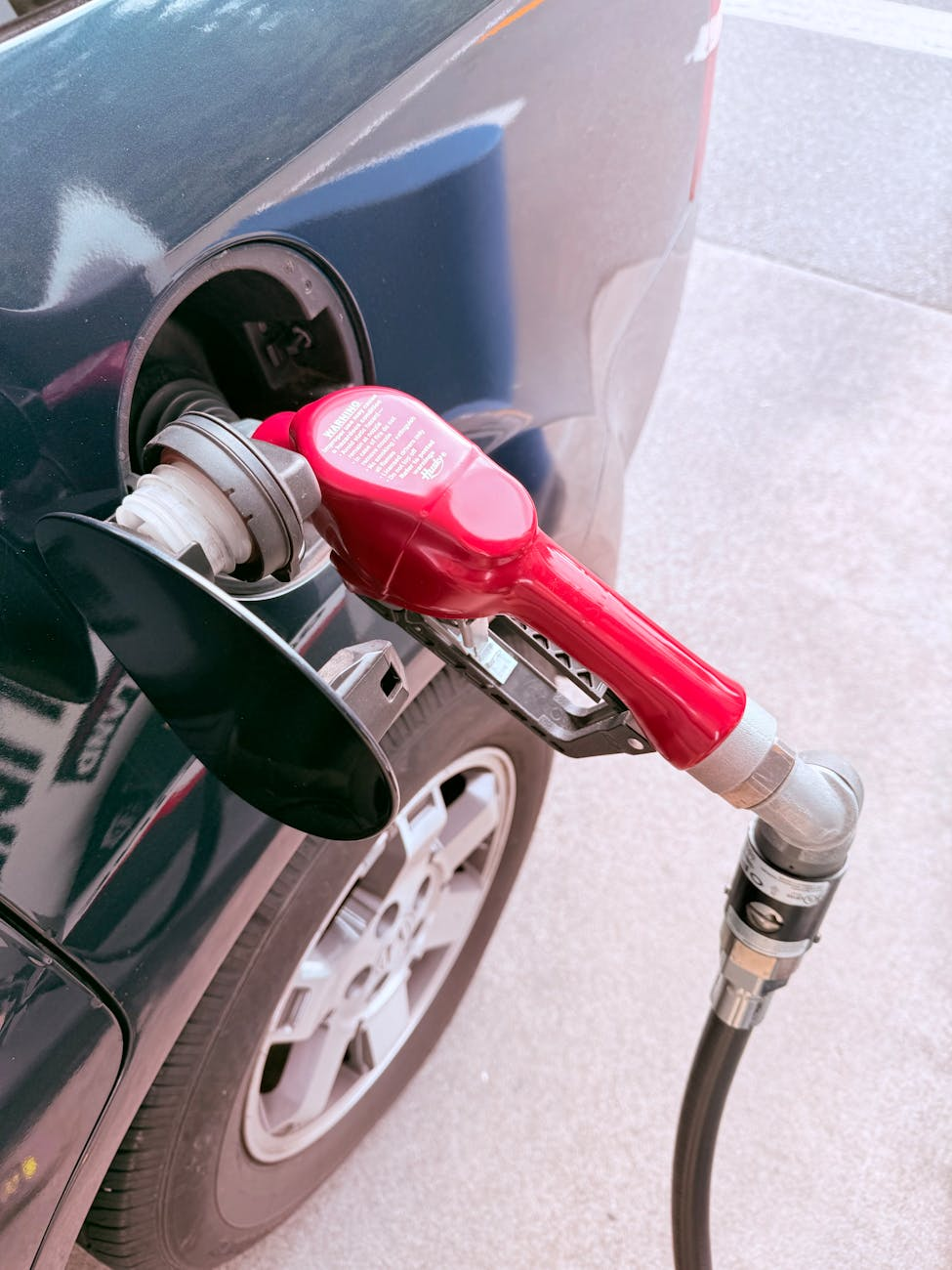
According to recent GasBuddy data, regular gasoline in the Richmond Petersburg area now averages $4.267 per gallon while premium fuel has climbed above $5 per gallon. Diesel prices remain especially high at $5.547 per gallon, creating additional strain on transportation dependent industries throughout Central Virginia.
While prices have dipped slightly from recent weekly highs, fuel costs remain dramatically above 2025 levels and continue reflecting the long shadow of geopolitical instability shaping global energy markets.
Analysts increasingly point to international conflict and military escalation involving Iran and surrounding regions as major forces driving continued volatility in oil prices worldwide.
Modern energy markets operate on expectation as much as supply. Even when oil production remains stable, fears surrounding military conflict, sanctions, shipping disruptions, or attacks on critical infrastructure can trigger rapid spikes in crude oil prices. Those increases eventually filter down to local gas stations in cities like Richmond.
The Strait of Hormuz remains central to those concerns. Roughly one fifth of the world’s oil supply passes through the narrow shipping corridor connecting the Persian Gulf to global markets. Any threat of disruption in the region can immediately send shockwaves through international energy trading.
A recent analysis published by The Daily Economy estimated American gasoline prices have averaged roughly 85 cents per gallon higher than expected since war related disruptions intensified in global oil markets. Researchers found prices at times surged more than $1 above projected levels as instability spread across international energy sectors.
Although RVA residents may be thousands of miles away from the conflict itself, the economic consequences arrive quickly and directly at local gas pumps.
For many households across Richmond, Chesterfield, Henrico, and Petersburg, rising fuel costs have become another layer of financial pressure added onto existing inflation affecting groceries, utilities, housing, insurance, and transportation.
Economists often describe gasoline prices as one of the most psychologically powerful indicators of economic instability because consumers encounter them constantly. Unlike rent or insurance premiums that change less visibly, gas station prices are public, immediate, and often fluctuate overnight.
That visibility shapes public perception of the economy and influences spending behavior across multiple industries.
When fuel costs rise sharply, households frequently reduce discretionary spending in other areas. Dining out becomes less frequent. Weekend travel declines. Consumers postpone entertainment purchases and cut back on non essential shopping.
Those shifts may appear small individually, but collectively they create broader ripple effects throughout local economies.
In RVA, elevated fuel prices could eventually affect everything from restaurant traffic to festival attendance during the busy summer season. Small businesses already operating on thin margins may face additional transportation and supply costs while also dealing with customers becoming more cautious about spending.
The burden falls especially hard on workers whose income depends on driving.
Delivery drivers, rideshare workers, contractors, mobile vendors, and regional service providers are among the first groups to feel the impact of prolonged fuel increases. For many, gasoline is not simply a household expense but a direct business cost tied to daily income.
Higher diesel prices also create challenges throughout the broader supply chain.
Diesel fuels much of the trucking industry responsible for transporting food, retail products, construction materials, and consumer goods across the country. As diesel prices rise, shipping costs increase alongside them. Businesses often respond by raising prices, creating another pathway through which global conflict contributes to local inflation.
The effects can be particularly difficult for working class commuters traveling throughout the Richmond Petersburg corridor.
Residents commuting daily between Petersburg, Chesterfield, Henrico, and Richmond are now spending substantially more on transportation than they were one year ago. GasBuddy data shows regular gasoline prices sitting more than $1.20 higher than the regional average recorded at the same time last year.
Military connected communities surrounding Fort Lee may also feel additional strain as long distance commuting costs continue rising for civilian workers, military families, and contractors throughout the area.
For many military households and logistics workers connected to Fort Lee’s transportation and supply operations, higher fuel prices carry added significance because of the installation’s deep ties to national logistics and mobility infrastructure. Rising transportation costs can influence everything from commuting expenses to freight movement throughout the broader region.
At the same time, higher energy prices can place pressure on local governments and public infrastructure systems.
Transit agencies often face increased operating costs during periods of fuel volatility. Public service fleets, emergency vehicles, sanitation departments, and maintenance operations all depend heavily on fuel. Rising transportation expenses can eventually contribute to budget strain at both the municipal and state levels.
Energy driven inflation can also complicate broader economic recovery efforts.
When fuel costs remain elevated for extended periods, central banks and policymakers often face pressure to keep interest rates higher in an effort to slow inflation. Higher borrowing costs can then impact housing markets, small business lending, and consumer spending.
In that sense, wars affecting oil markets can influence economies far beyond the price displayed at gas stations.
The effects move through transportation networks, retail prices, household budgets, labor markets, tourism, and investment activity simultaneously.
RVA’s growing creative economy is not immune to those pressures.
Artists, musicians, event organizers, food vendors, and independent entrepreneurs frequently depend on regional travel to sustain income. Increased fuel expenses can reduce profit margins for touring performers, mobile businesses, and festival operators while also discouraging attendance from audiences facing tighter budgets themselves.
Despite the current volatility, analysts warn oil markets remain highly unpredictable and vulnerable to sudden geopolitical developments.
Any escalation involving major oil producing regions, shipping routes, sanctions, or military retaliation could create additional upward pressure on prices in the months ahead. Conversely, diplomatic breakthroughs or increases in global production could ease some market tension.
For now, many RVA residents are navigating an economy increasingly shaped by international instability far beyond Virginia’s borders.
The result is a reminder of how deeply interconnected local economies have become with global events. A conflict unfolding overseas can rapidly influence daily life in Richmond through higher fuel costs, increased inflation, and mounting financial pressure felt across households and businesses alike.
As summer travel season approaches and geopolitical tensions continue simmering, the economic effects of global conflict may remain visible across RVA one gas station at a time.
Author