ART 180 to Close After 27 Years, Marking End of a Defining Youth Arts Institution in Richmond
After 27 years as one of the city’s most influential youth arts organizations, ART 180 will close its doors on August 28, 2026, concluding a legacy that shaped generations of young artists across Richmond.
The decision follows years of mounting financial pressure, including sustained operating deficits, declining individual donations, and the loss of significant corporate and foundation support. According to leadership, those challenges were compounded by rising operational costs and leadership transition expenses that depleted the organization’s reserves.
In early 2026, ART 180’s Board of Directors authorized an emergency stabilization effort, pursuing major donor support, targeted foundation funding, and the sale of its artist residency condominium. While those efforts provided short term relief, they ultimately fell short of ensuring long term sustainability.
“This decision comes with deep respect for that work and a responsibility to face what we could not sustain,” said Monarose Ryan, Vice President of the Board. “What endures are the relationships, the voices, and the sense of possibility that took root here.”
A Legacy Built on Youth Voice
Founded in 1998, ART 180 operated on a simple but powerful premise that art can be a lifeline for young people. Over nearly three decades, thousands of Richmond youth passed through its programs, creating paintings, poetry, photography, and performance work while building confidence, community, and creative identity.
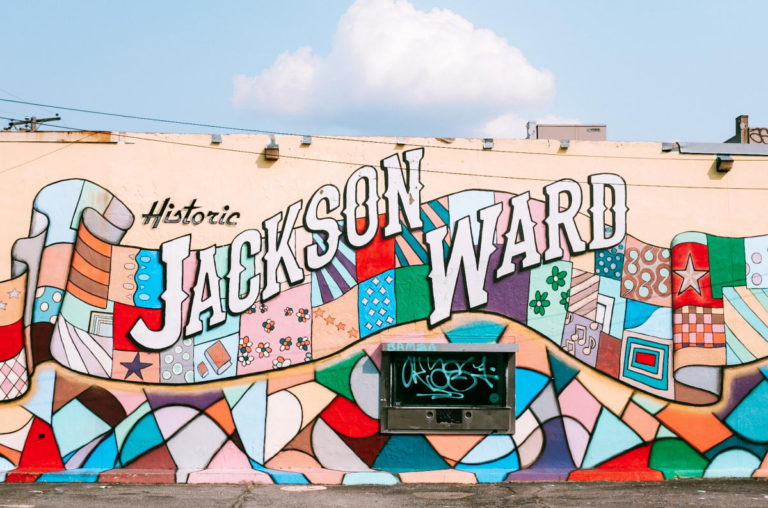
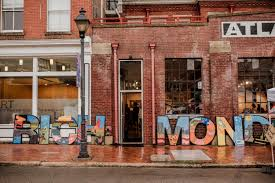
Its Atlas gallery in Jackson Ward became more than a venue. It functioned as a cultural hub where young people were treated as artists, not just participants.
Many alumni have gone on to careers in the arts, education, and community leadership, contributing to Richmond’s broader creative ecosystem.
Structural Challenges and Missed Footing
While external funding losses played a major role, particularly a reported $135,000 drop in corporate and foundation support, organizational gaps also contributed to the outcome.
Notably, ART 180 operated without a formal strategic plan for approximately six years prior to 2026, limiting its ability to respond to shifting financial realities. By the time a new plan was implemented, leadership says the organization was already in a difficult position.
Executive Director Tanesha Powell pointed to accountability and infrastructure as key factors in the organization’s struggle to recover.
“Taking youth seriously means being accountable to protect the organization’s future on their behalf,” Powell said. “We made meaningful progress, but we could not fully recover from what had already been lost.”
A Deliberate Closing Season
Rather than an immediate shutdown, ART 180 will continue programming through the summer, framing its final months as a closing season that prioritizes continuity for current participants and a meaningful transition for the community.
Upcoming initiatives include:
• Through Their Eyes, a public youth exhibition opening May 1
• Bird Scooter Helmet Painting Event, a collaborative public art activation on May 23
• Atlas Artist Residency, a paid summer program for youth artists, including regional and Washington, DC cultural experiences
• Open Studios, weekly drop in sessions for high school students
• Teaching Artist Legacy Mini Series, professional development designed to help teaching artists independently sustain youth arts programming in Richmond
• Final Youth Exhibition, opening August 7 as a culminating celebration
Proceeds from the sale of the residency condominium, along with support from the Virginia Sargeant Reynolds Foundation, are helping fund these final programs and partnerships with organizations like Next Up, Boys and Girls Club of Richmond, and Higher Achievement.
What Remains
ART 180’s closure reflects broader pressures facing community based arts organizations nationwide, particularly those reliant on a mix of philanthropic, corporate, and public funding streams.
Still, its impact is unlikely to disappear.
The organization’s model, centering youth voice, paid creative opportunities, and community rooted programming, has influenced Richmond’s arts landscape in lasting ways. Its alumni, teaching artists, and partner organizations now carry that work forward.
“This is not the ending any of us hoped for,” Powell said. “But I am deeply proud of what was built and even more certain that the seeds planted here will continue to grow.”
Author