Iran War Gas Spike Has Cost Richmond-Area Households an Estimated $97 Million
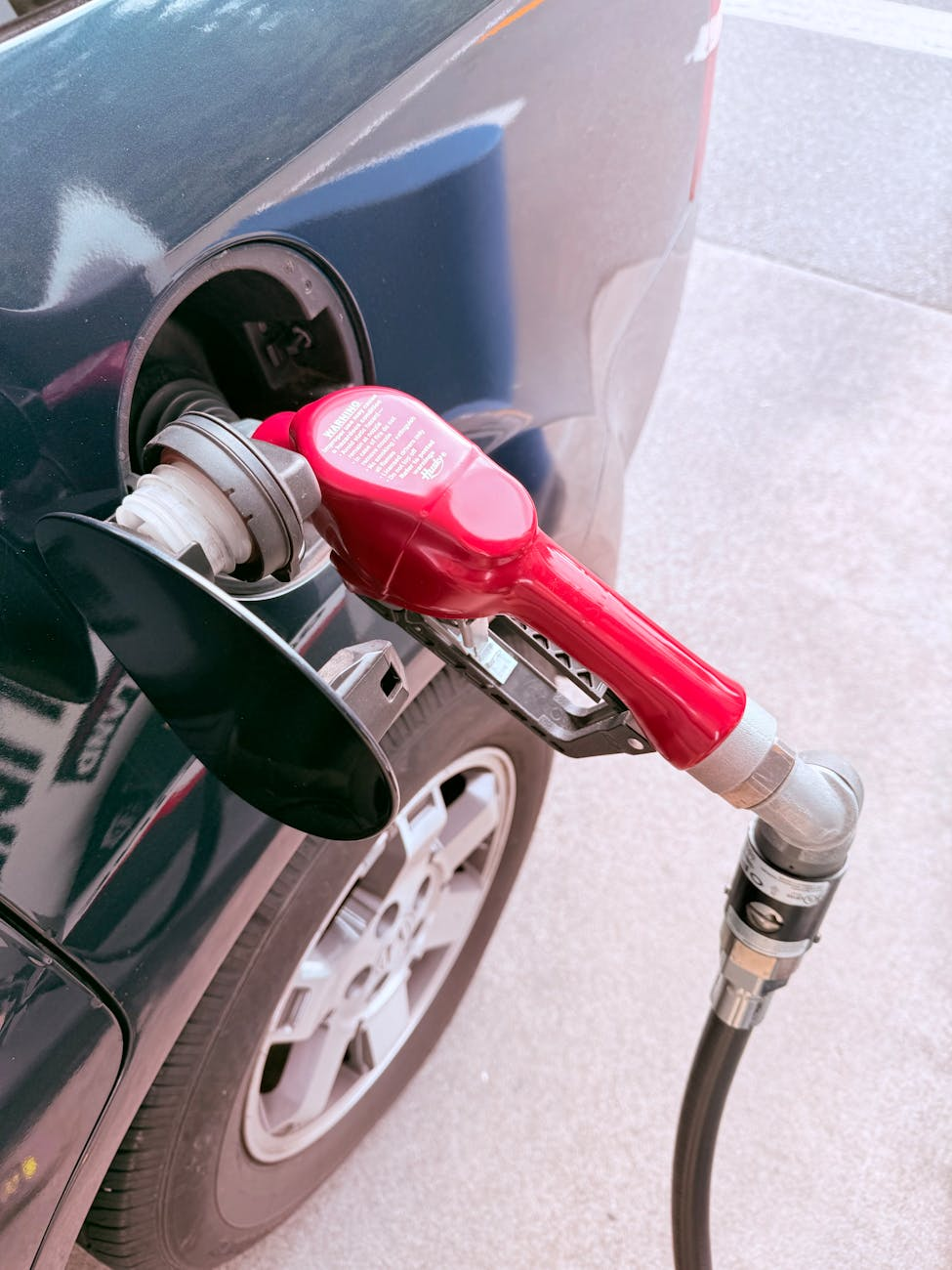
Every trip to the gas station is costing Richmond drivers more, and the financial impact is spreading far beyond the pump.
Since the U.S.–Iran conflict escalated in late February, households across the Richmond region have spent an estimated $97 million more on gasoline as fuel prices climbed nationwide. The estimate is based on analysis from Brown University’s Costs of War project, which found Americans have paid an additional $23.28 billion for gasoline since the conflict began. When diesel costs are included, the national fuel burden rises to nearly $42 billion.
Applied proportionally to the Richmond metropolitan area’s roughly 554,000 households, the findings suggest local families have absorbed tens of millions of dollars in additional transportation costs in less than three months. Richmond city households alone account for an estimated $18 million of that increase.
The effects are becoming increasingly visible throughout the region. Commuters traveling daily from Chesterfield, Henrico, Hanover and Petersburg are paying significantly more just to get to work. Businesses that rely on deliveries and transportation are also facing rising costs that eventually make their way to consumers.
AAA reported Monday that regular gasoline in the Richmond-Petersburg region averaged $4.346 per gallon. AAA gas prices Before the conflict intensified in February, the national average price for regular gas hovered near $2.98 per gallon.
That increase of roughly $1.36 per gallon may not seem dramatic in a single visit to the pump, but over time it adds up quickly.
A commuter driving 50 miles each day in a vehicle averaging 25 miles per gallon now spends roughly $208 per month on gasoline. At prewar fuel prices, that same commute would have cost closer to $143 monthly. Over the course of a year, the difference amounts to nearly $780 for just one driver.
For households managing multiple vehicles, longer commutes or jobs requiring extensive travel, the financial strain grows even larger.
The increase in fuel prices is also affecting costs beyond personal transportation. Diesel prices in the Richmond area have climbed to approximately $5.51 per gallon, according to AAA. Because diesel powers freight trucks, shipping networks and commercial transportation, higher diesel prices often translate into more expensive groceries, construction materials, retail goods and restaurant supplies.
Economists frequently describe fuel spikes as a hidden tax because the costs spread throughout the economy instead of remaining isolated to gas stations.
Brown University researcher Jeff Colgan said rising energy prices tied to geopolitical instability function as an “economy-wide tax on households.” Brown University Costs of War Project
Those pressures are especially significant in Richmond, where most residents depend heavily on personal vehicles and public transit options remain limited across much of the metropolitan area.
At the same time, many households are already struggling with rising rents, elevated grocery prices and increasing utility bills. Dominion Energy rate hikes have added another layer of pressure to monthly budgets, particularly for working-class families.
The estimated $97 million Richmond-area residents have spent on higher gasoline prices since late February represents money that otherwise could have circulated through local businesses, household savings or community investment.
Economists note that amount is large enough to fund major transportation improvements, expand housing assistance programs or support significant small-business development initiatives across the region.
Instead, those dollars have largely been absorbed by volatile global energy markets shaped by international conflict and oil supply concerns.
With tensions around major shipping routes continuing into the summer travel season, analysts warn fuel prices could remain elevated for months.
For Richmond drivers, the consequences are already unavoidable every time they stop to fill their tanks.
Author