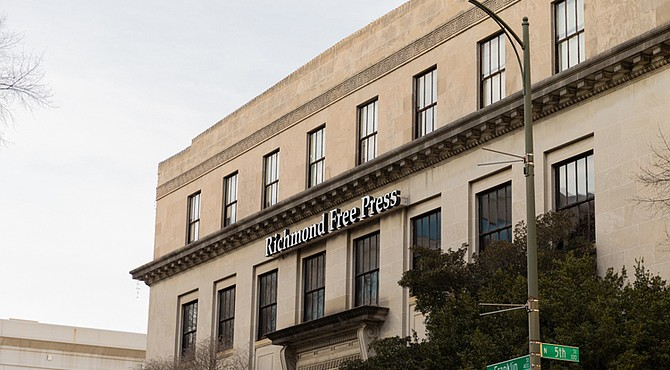
After the Free Press: What Comes Next for Community Journalism in Richmond?
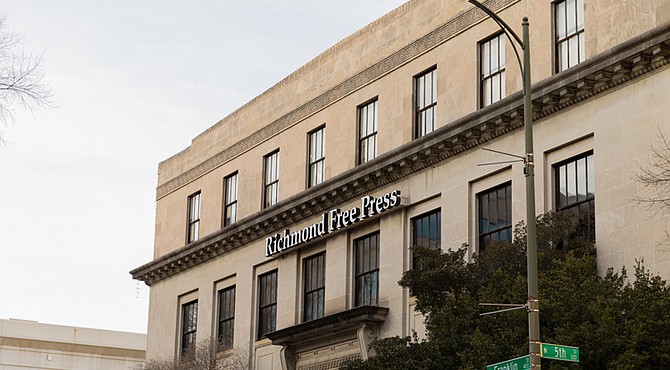
For more than three decades, the Richmond Free Press served as one of the city’s most consistent chroniclers of community life. Week after week, the newspaper documented church leadership transitions, neighborhood issues, political debates, and the achievements of local entrepreneurs and civic leaders.
When the paper announced it would close after 34 years of publication, the news marked more than the end of a newspaper. It signaled the disappearance of a civic institution that had long helped connect Richmond’s neighborhoods, institutions, and cultural life. Now a broader question remains for the city’s media ecosystem: who will fill the role the Free Press played in documenting and amplifying Richmond’s community stories?
A Community Record
Founded in 1992 by journalist Raymond H. Boone, the Richmond Free Press emerged at a time when many local readers felt their communities were underrepresented in mainstream coverage. Boone, who had worked in the Black press earlier in his career, envisioned a newspaper that would report on issues affecting Richmond’s Black residents while also celebrating the accomplishments of individuals and organizations shaping the city.
Over time, the weekly publication became known for its consistent coverage of Richmond’s civic infrastructure — churches, community organizations, schools, neighborhood leaders, and small businesses.
That focus helped the paper function as more than a news outlet. For many readers, it served as a community archive, capturing milestones and conversations that often unfolded outside the spotlight of larger regional media.
Stories about new pastors, scholarship recipients, local entrepreneurs, and grassroots activism regularly appeared alongside reporting on housing policy, education issues, and city government decisions.
The result was a publication that helped residents stay connected not only to local news, but to the broader story of Richmond’s evolving civic life.
A Changing Media Landscape
The closure of the Richmond Free Press reflects broader pressures reshaping local journalism across the country.
Community newspapers, particularly weekly publications, have struggled in recent years as advertising revenue shifted toward digital platforms and print circulation declined. Rising production costs and changes in how audiences consume news have also made it increasingly difficult for smaller publications to sustain traditional business models.
Historically Black newspapers have faced many of these same challenges, often with fewer financial resources and smaller advertising bases. As a result, many cities have seen long-standing Black publications either scale back operations or close altogether, leaving gaps in coverage of local institutions and neighborhoods. For Richmond, the end of the Free Press raises questions about what happens when a publication that consistently covered community life disappears.
Who Is Telling These Stories Now?
Richmond still has a diverse media landscape, including regional television stations, nonprofit news organizations, and independent digital outlets. Publications such as VPM News and The Richmonder have expanded their local reporting in recent years, while television stations continue to cover breaking news and major civic developments.
But community newspapers historically played a different role. Rather than focusing primarily on major events, they often documented the daily civic rhythm of a city such as leadership changes within churches, local awards, community initiatives, and the steady work of neighborhood organizations.
Without a dedicated publication tracking those stories week after week, some observers worry that pieces of Richmond’s civic narrative could become less visible. At the same time, new forms of local journalism are beginning to emerge. Across the country, journalists are experimenting with digital-first newsletters, nonprofit newsrooms, podcasts, and community-supported media organizations designed to reach audiences directly online. These models often operate with smaller staffs but rely on memberships, grants, and community partnerships to sustain their work. Some observers believe Richmond could see similar experiments in the coming years.

The Rise of Independent Media
One notable shift in local journalism is the rise of independent reporters building audiences through platforms such as Substack and other newsletter tools. Instead of launching traditional newspapers, many journalists are creating niche publications focused on specific topics or communities.
These outlets often combine reporting, analysis, and community conversation, reaching readers through email subscriptions and social media distribution. While these models are still evolving, they suggest that the future of community journalism may look very different from the weekly print newspapers that defined earlier eras of local media. Rather than a single publication serving as a central hub for community news, coverage may increasingly come from a network of smaller outlets, independent journalists, and nonprofit organizations.
An Opportunity for Richmond
The end of the Richmond Free Press also creates an opening for new ideas. Cities across the country have seen new newsrooms emerge in response to local media closures. Some have adopted nonprofit structures that allow philanthropic support for community reporting. Others operate as membership-supported organizations where readers contribute directly to sustain journalism. Richmond’s universities and media organizations could also play a role in expanding community coverage. Journalism programs, student publications, and collaborative reporting projects have become increasingly common in cities seeking to strengthen local news ecosystems. For entrepreneurs and journalists interested in launching new outlets, the moment may present an opportunity to rethink how community reporting is produced and supported.
Carrying the Story Forward
While the Richmond Free Press has ceased publication, its legacy remains visible in the stories it told and the communities it documented. For more than three decades, the paper captured moments that might otherwise have passed quietly — a new business opening on a neighborhood corridor, a church celebrating a milestone anniversary, a student earning recognition for academic achievement. Those stories helped build a shared understanding of Richmond’s civic life and cultural identity. The challenge now facing the city’s journalists, institutions, and media entrepreneurs is ensuring that those stories continue to be told. As Richmond grows and changes, the need for thoughtful community reporting has not disappeared. If anything, it may be more important than ever. What replaces the Free Press remains uncertain. But the conversations sparked by its closing suggest that the demand for community journalism in Richmond is far from over.
Author